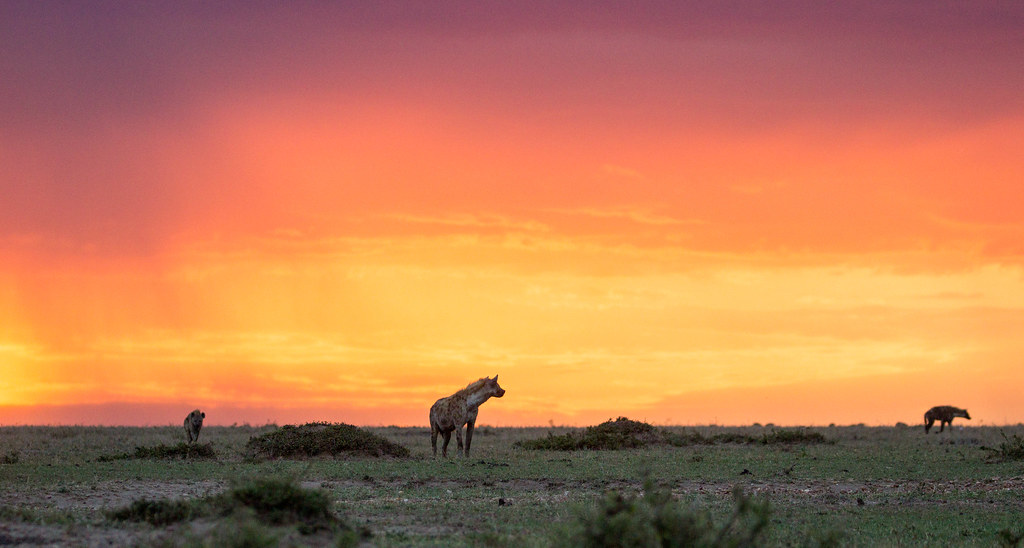
Our Mission
Research, conservation, and training: the three pillars of the Mara Hyena Project, with community partnership woven through all of them.
Mission Statement
The Mara Hyena Project advances scientific understanding of spotted hyena behavior, ecology, and cognition through long-term field research. We work to conserve hyenas and the ecosystem they depend on, to support the communities that share the Maasai Mara with them, and to train the next generation of scientists in Kenya and abroad.
Since 1988, the MHP has carried out daily field research in the Maasai Mara, building one of the most detailed long-term datasets on any wild animal population. Good science and real community partnership are not competing goals. Each depends on the other.
We think long-term studies are irreplaceable. Questions about how early life shapes adult outcomes, how social structures change, or how populations respond to a changing environment cannot be answered within a single grant cycle. More than 35 years of continuous monitoring is what makes this kind of research possible.
We also work to make that science useful beyond the academy: for the communities that share the Mara with hyenas, for the people who shape wildlife management, and for a public that rarely gets accurate information about one of Africa’s most misunderstood animals.
Our Pillars
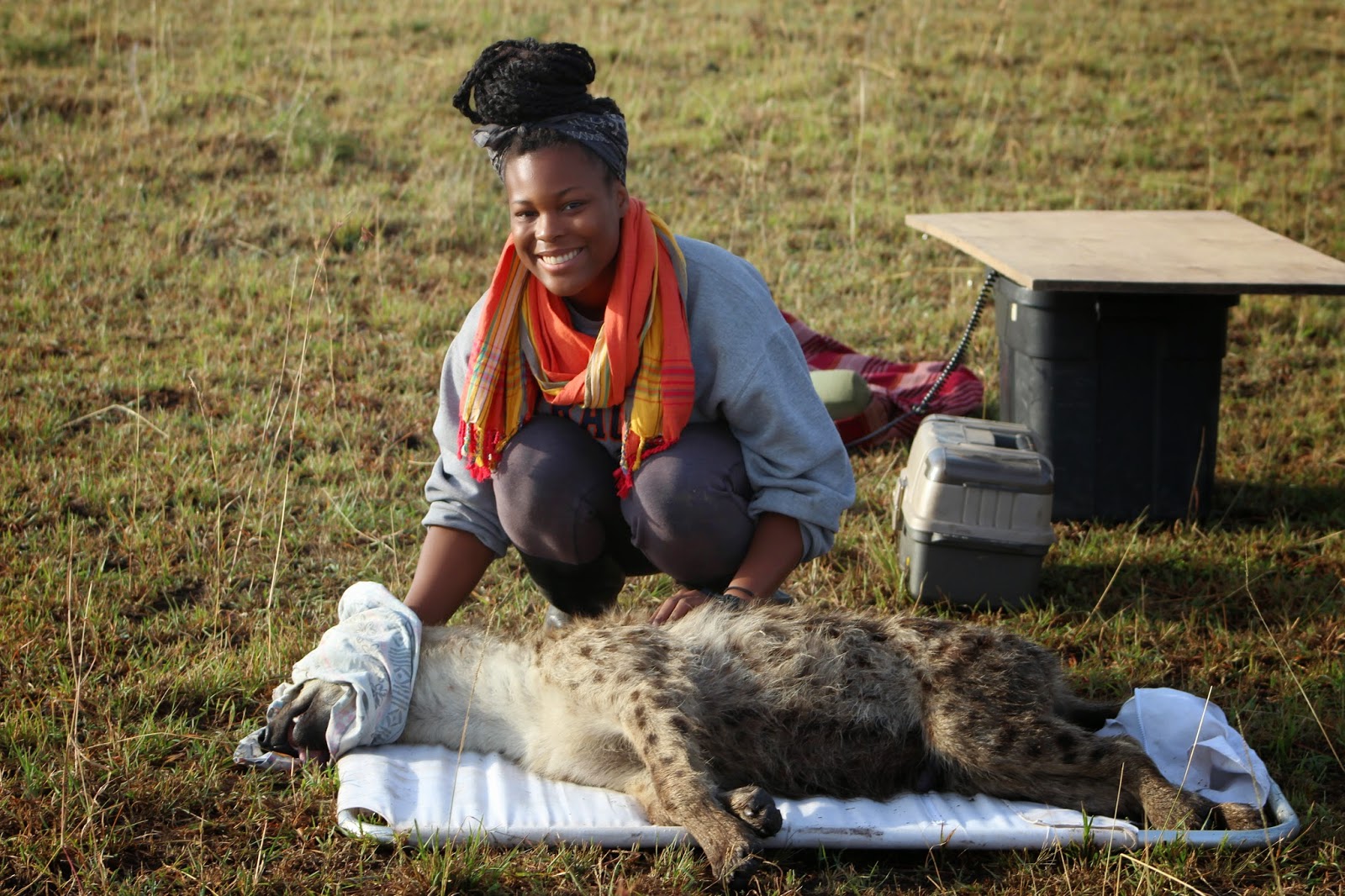
We use rigorous science to drive discovery and advance understanding of the behavioral ecology of spotted hyenas and their role in the Mara ecosystem, built on one of the longest continuous datasets on any wild mammal.
Our research →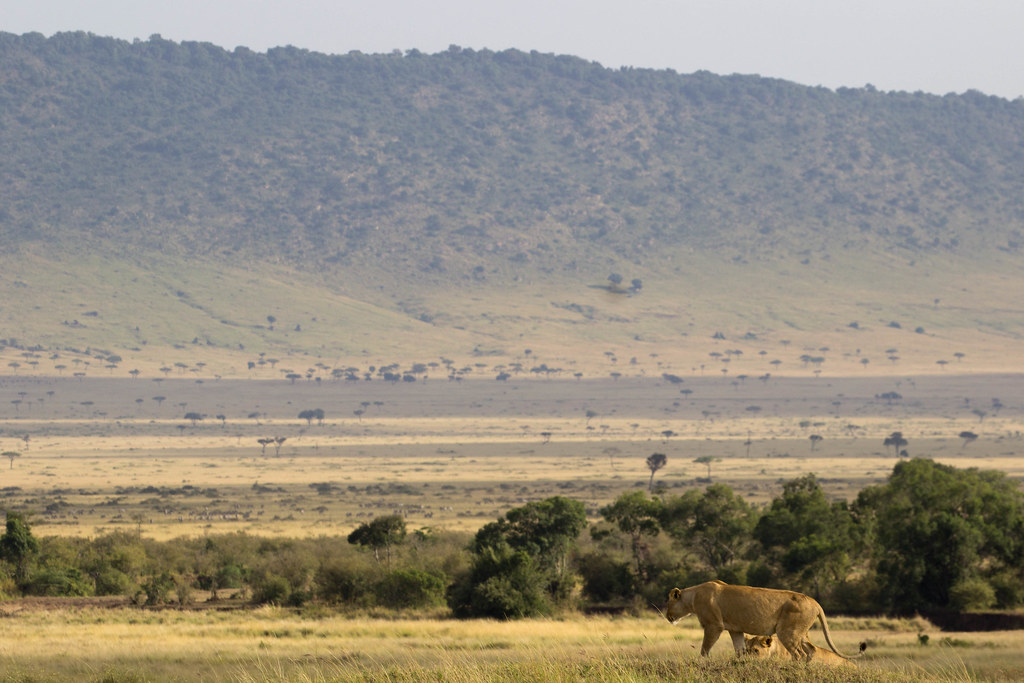
We share our discoveries with managers, the public, and policy makers to support evidence-based conservation. Through community partnership, we work directly to reduce human-hyena conflict and improve perceptions of one of Africa’s most misunderstood animals.
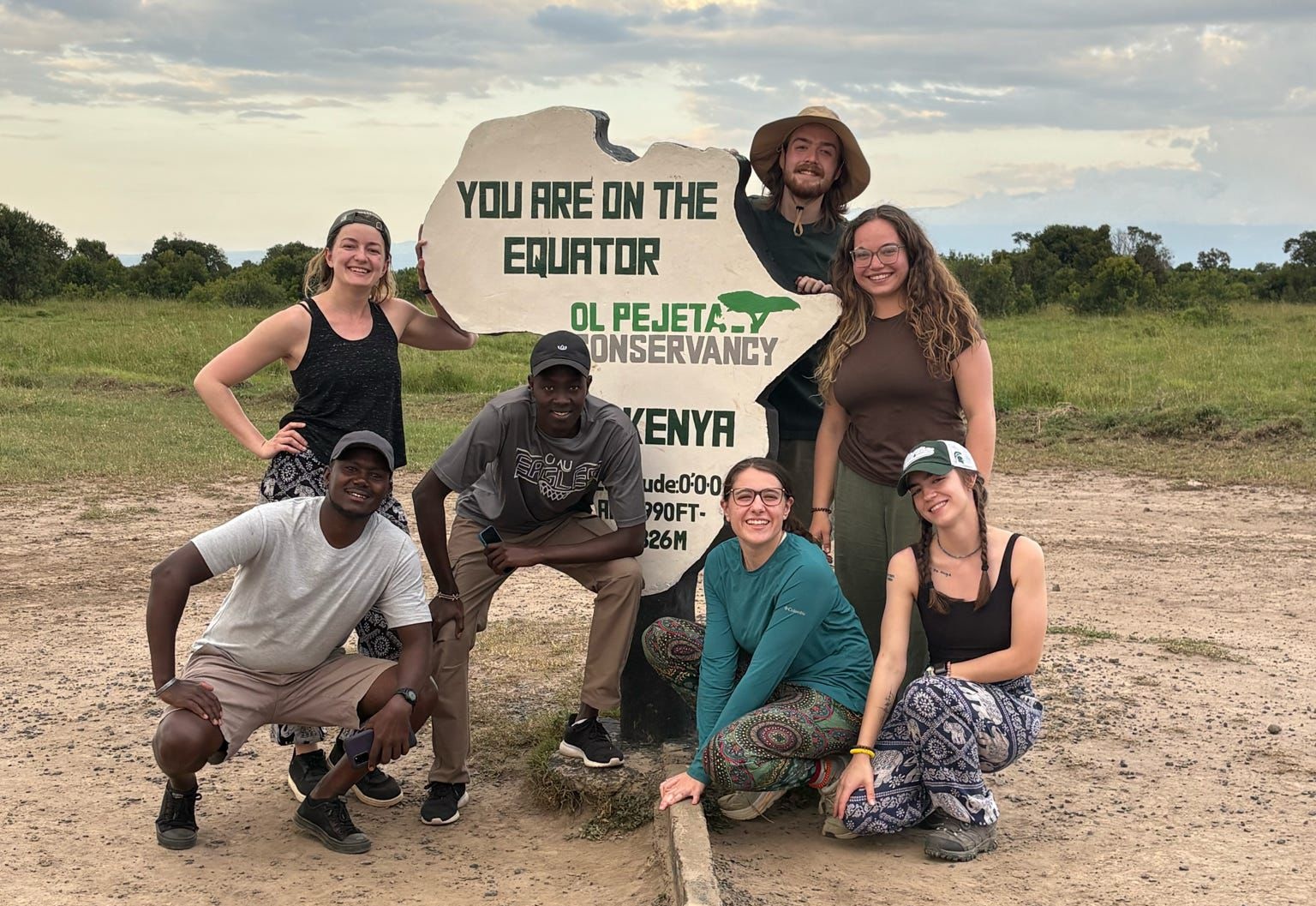
We train the next generation of biologists, managers, and wildlife professionals in Kenya and around the world. We hire and mentor local Maasai researchers and run outreach that encourages young people toward STEM careers.
Train with us →Across more than three decades of daily monitoring, the MHP currently follows seven hyena clans in the Maasai Mara. That work depends on a dedicated field and research team, the support of funders and donors, and the partnership of Kenyan communities and institutions. We intend to keep it going.