Training the next Generation of Scientists
Learn more about our field positions, student attachments, and graduate research opportunities with the Mara Hyena Project.
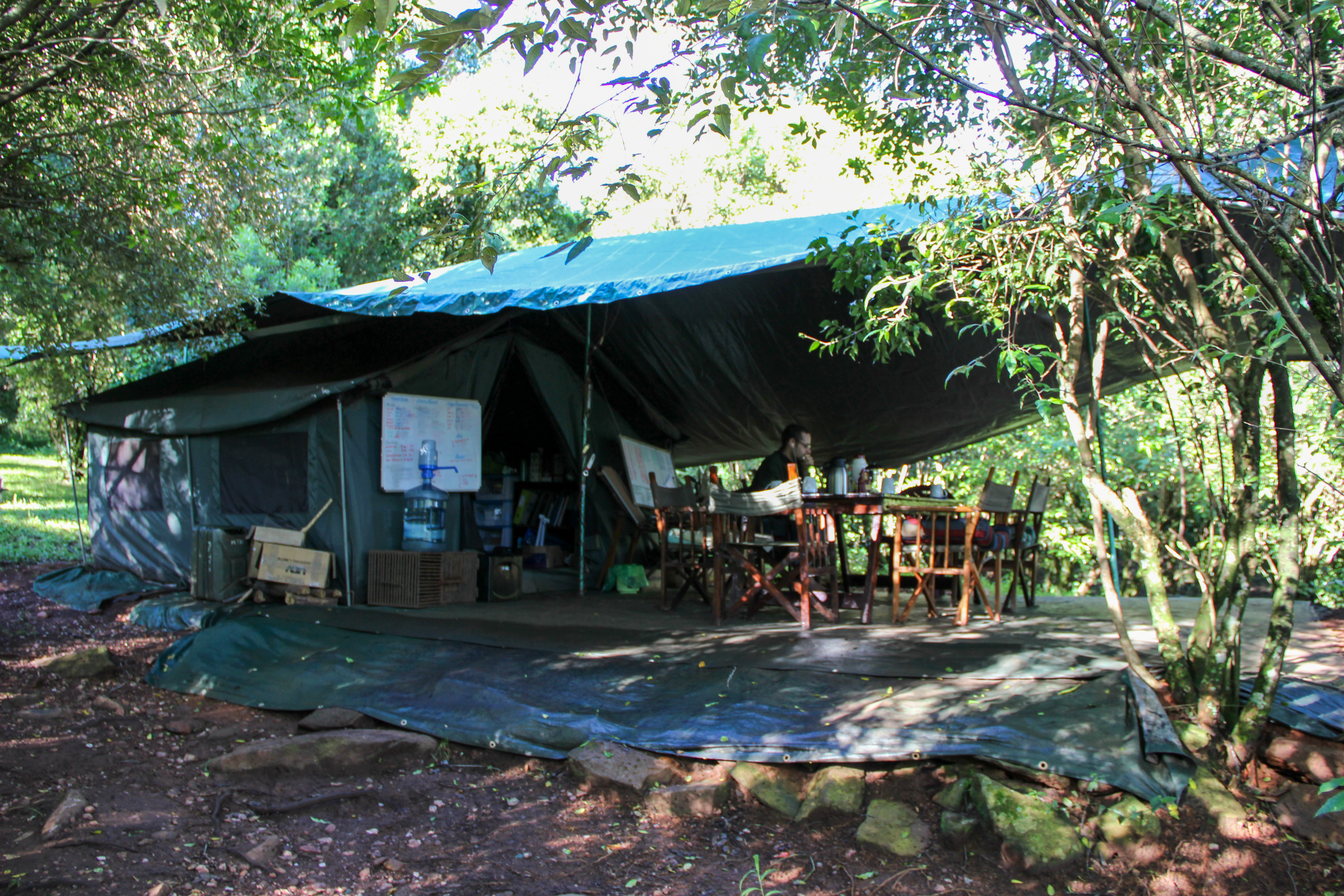
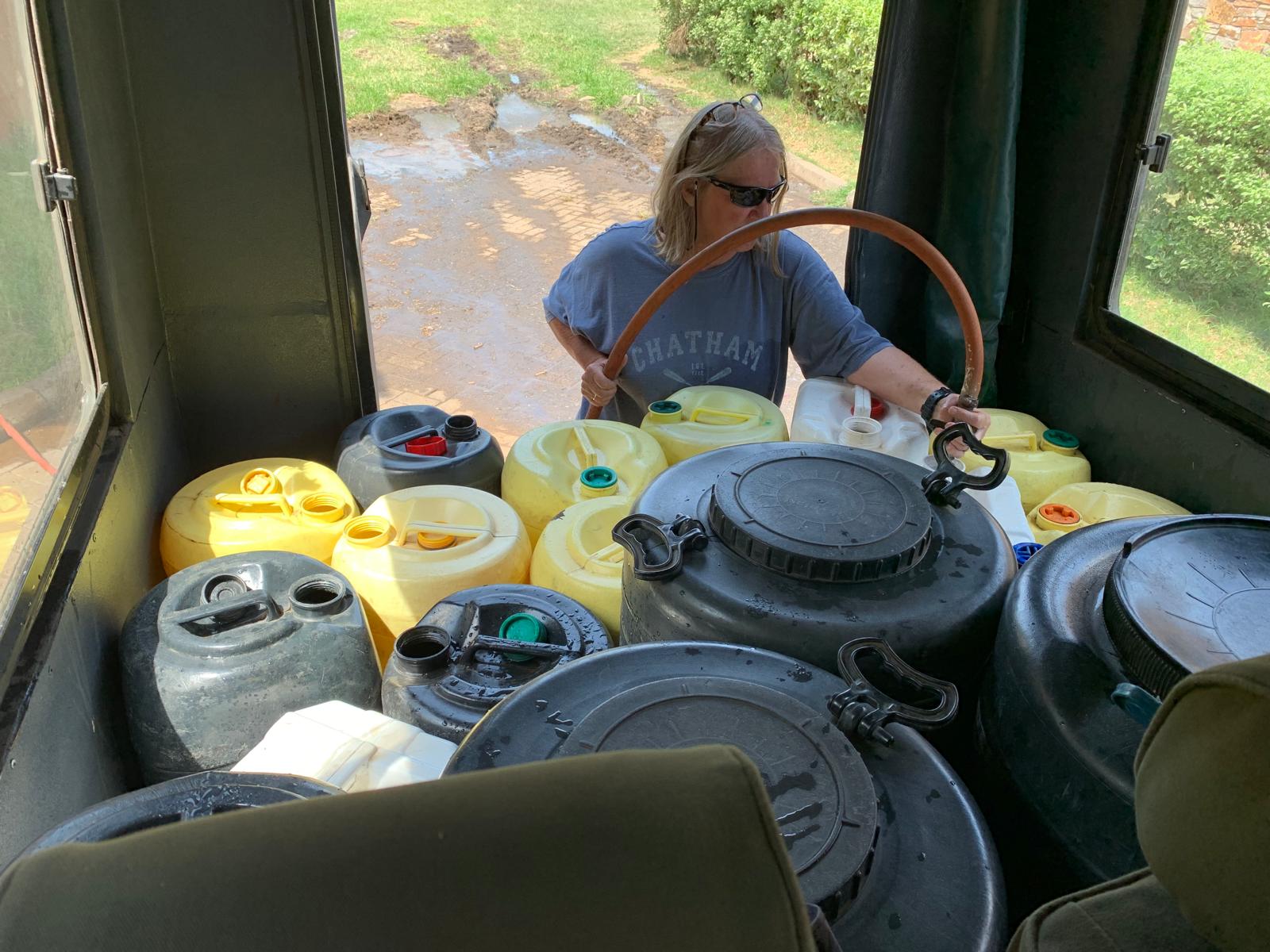
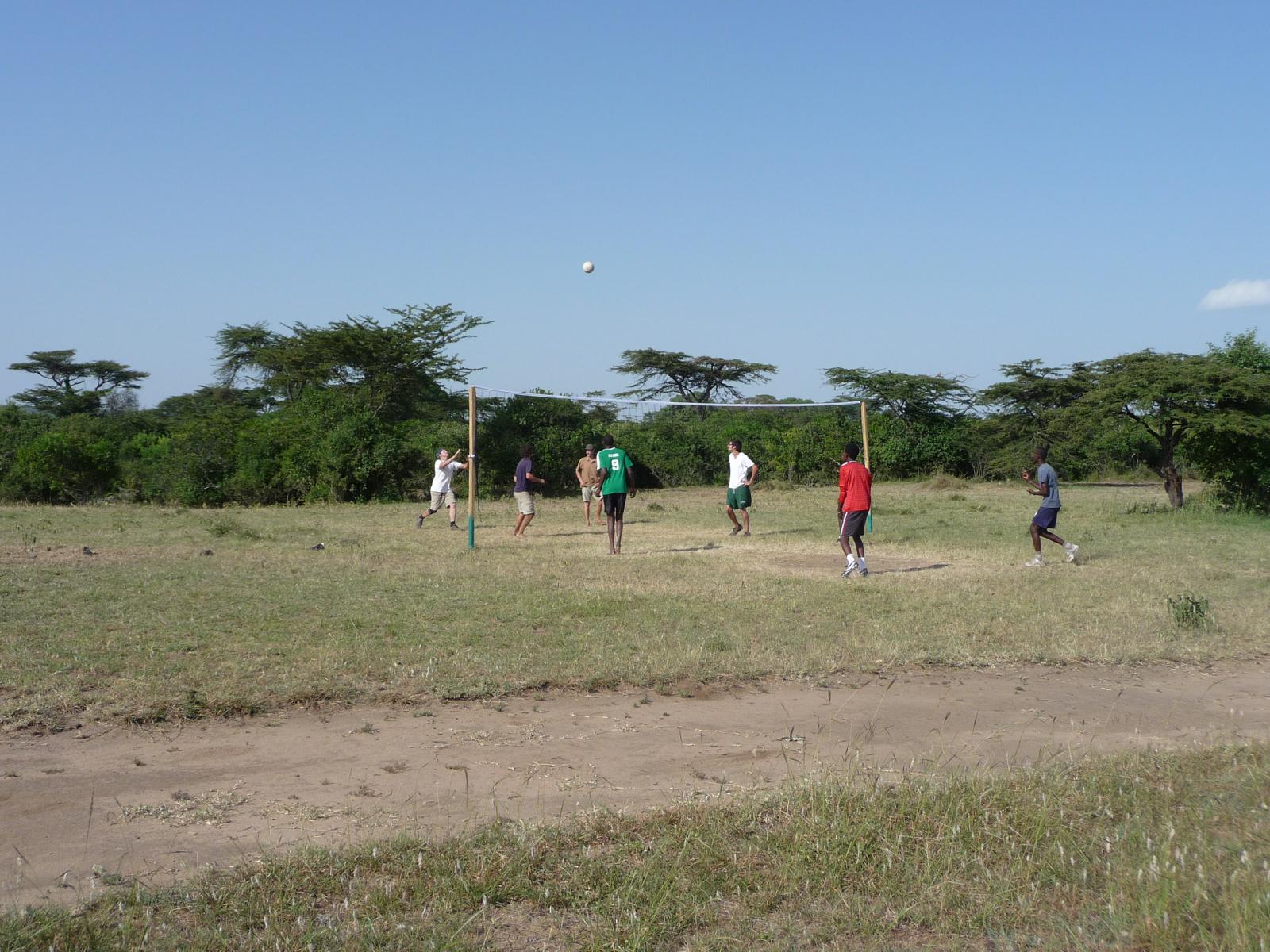
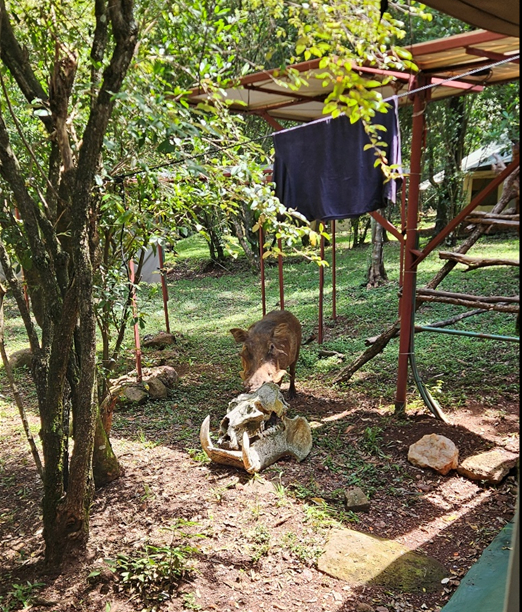
Life in the Field

Daily Work
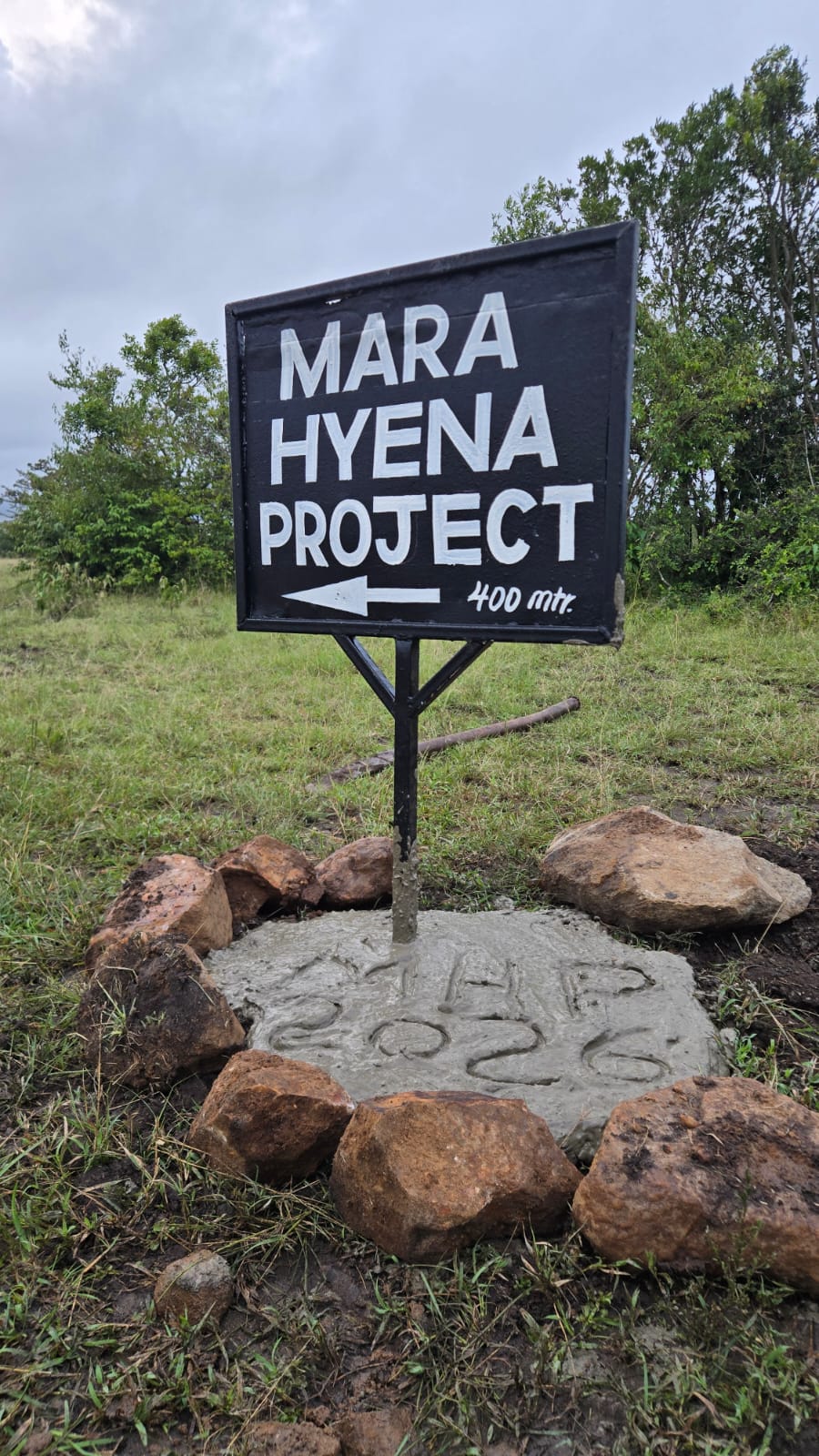
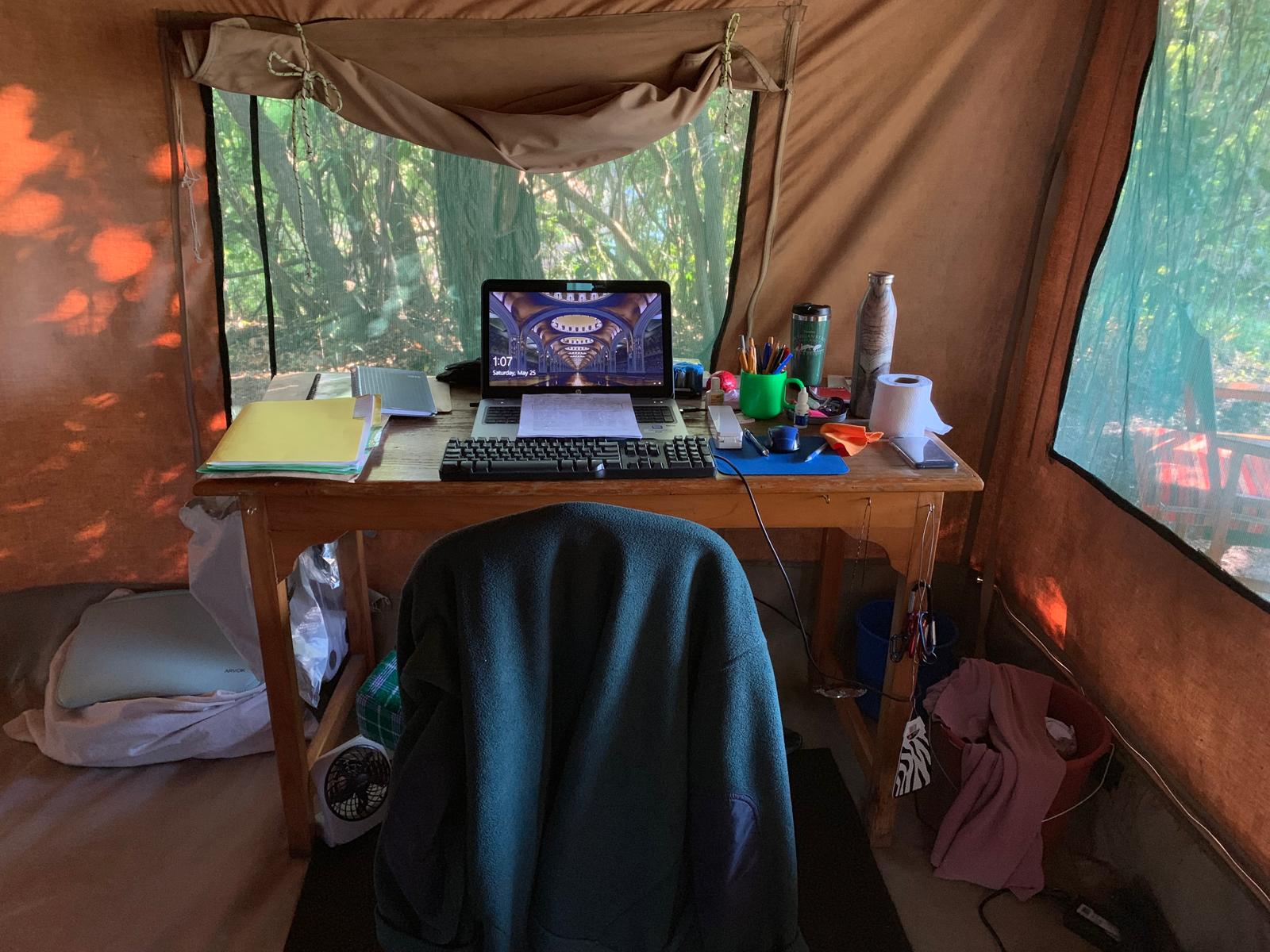
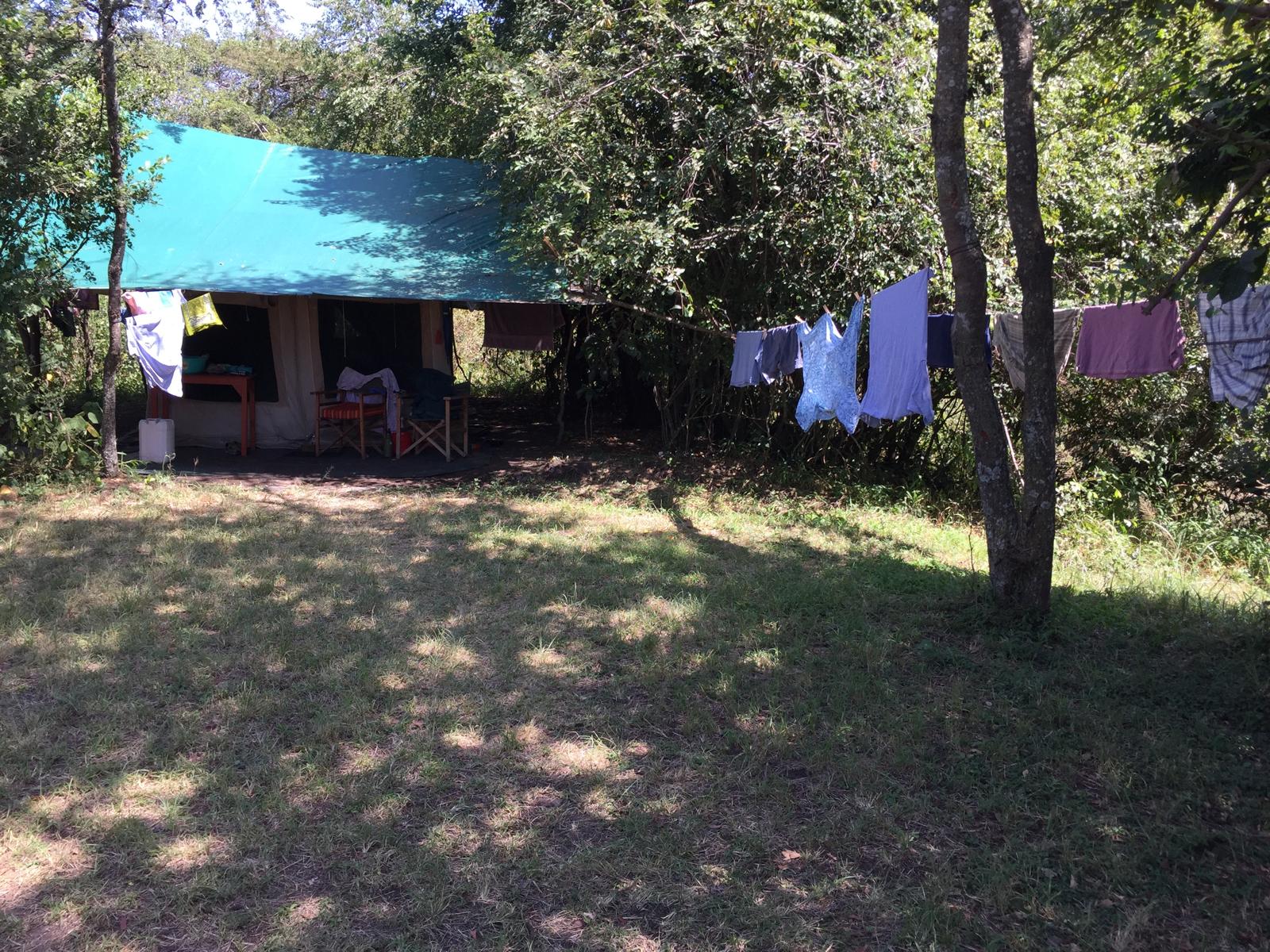
Field work at MHP follows the same daily rhythm regardless of position. Graduate students, international RAs, Kenyan RAs, and student attachments all share the same core responsibilities in camp and in the field.
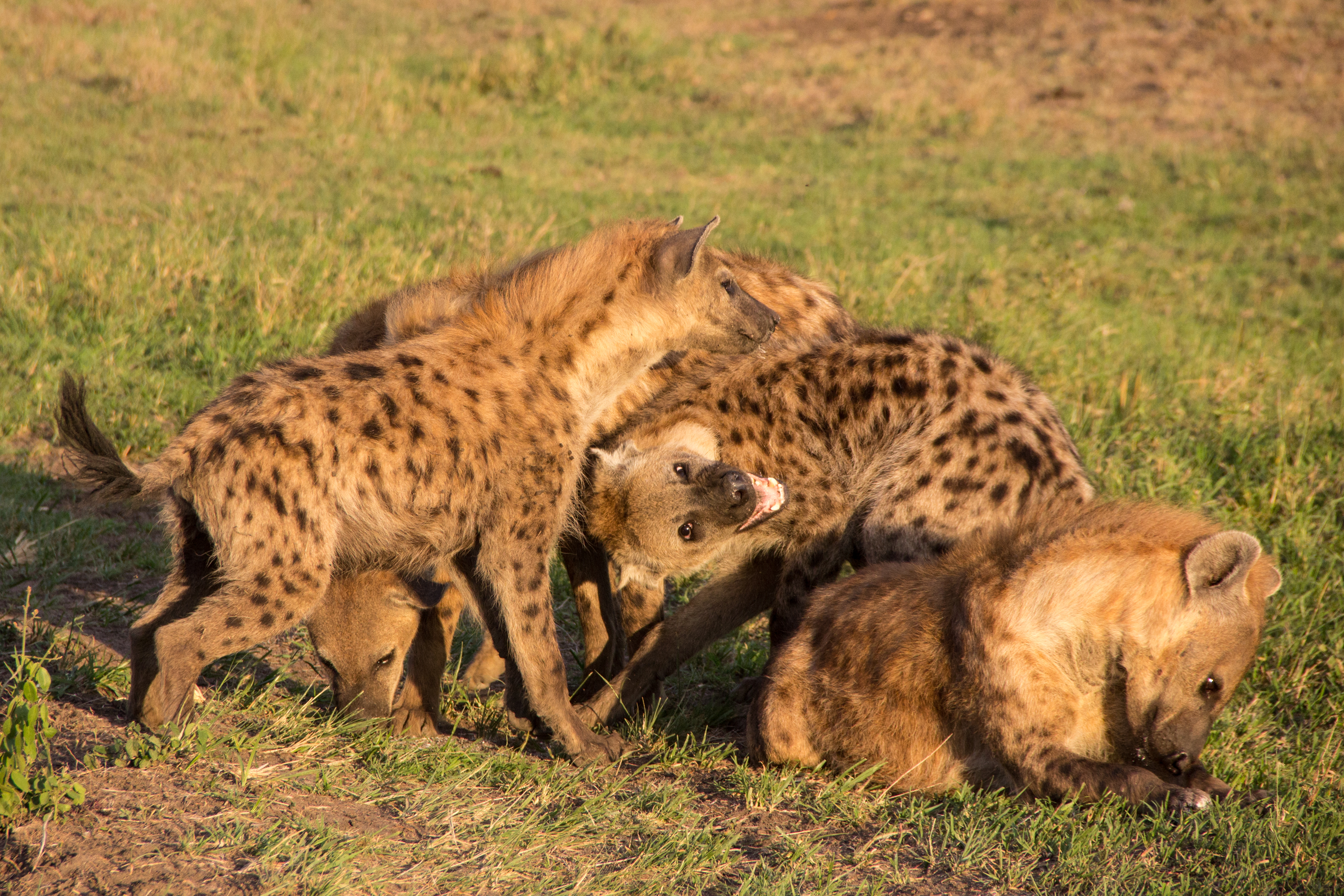
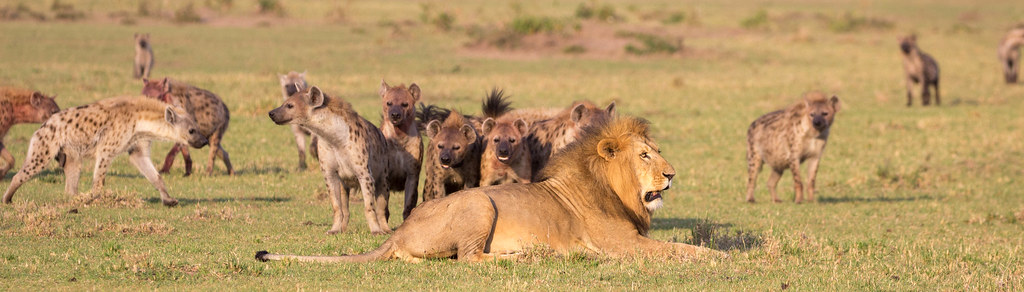
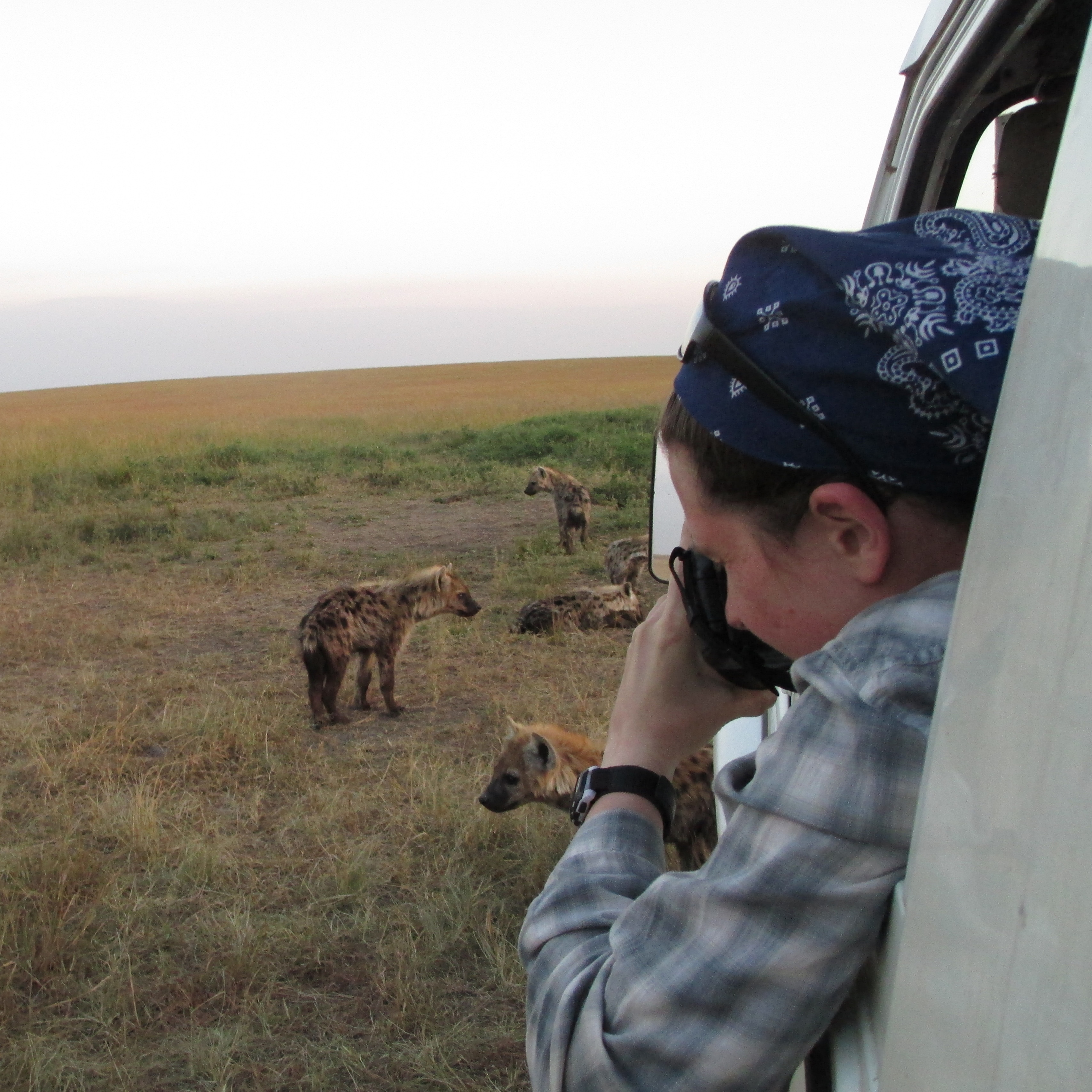
Our researchers complete two sets of observational periods every day. This involves searching the open savannah for hyenas, identifying individual animals based on their spot patterns, logging any and all behaviors witnessed, filming behavior for later reference as needed, and navigating sometimes difficult terrain using landmarks and GPS coordinates. This work is difficult but highly rewarding, and requires resilience, problem-solving, a high level of accuracy, and excellent data collection skills.
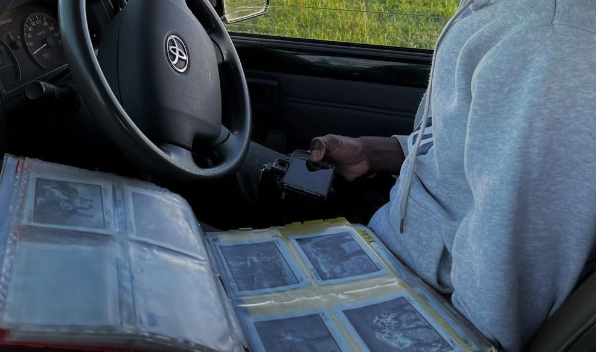
Each individual hyena has a unique spot pattern, like a fingerprint. Our researchers have to become experts at identifying these patterns and recognizing them, even from a distance. Knowing a hyena’s identity helps us better understand the context of their behaviors and interactions with other individuals, and allows us to draw conclusions about the when, why, and how of hyena behavior. For more information on the research being done, see our current projects.
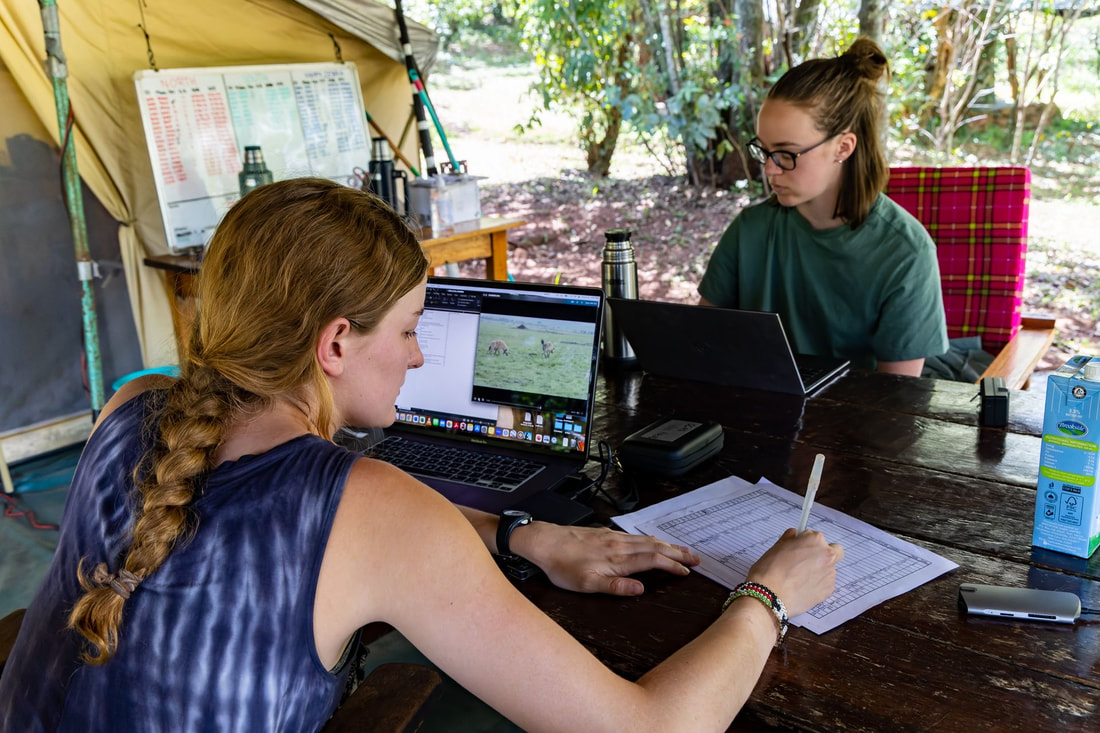
One of the most important parts of the research is collecting samples from the field, including blood, fur, and feces. These samples give us the ability to extract DNA in the lab, which lets researchers investigate further questions about hyena relationships and behavior. Researchers are responsible for entering data from collected samples, logging transcriptions, and watching back behavioral videos for context.
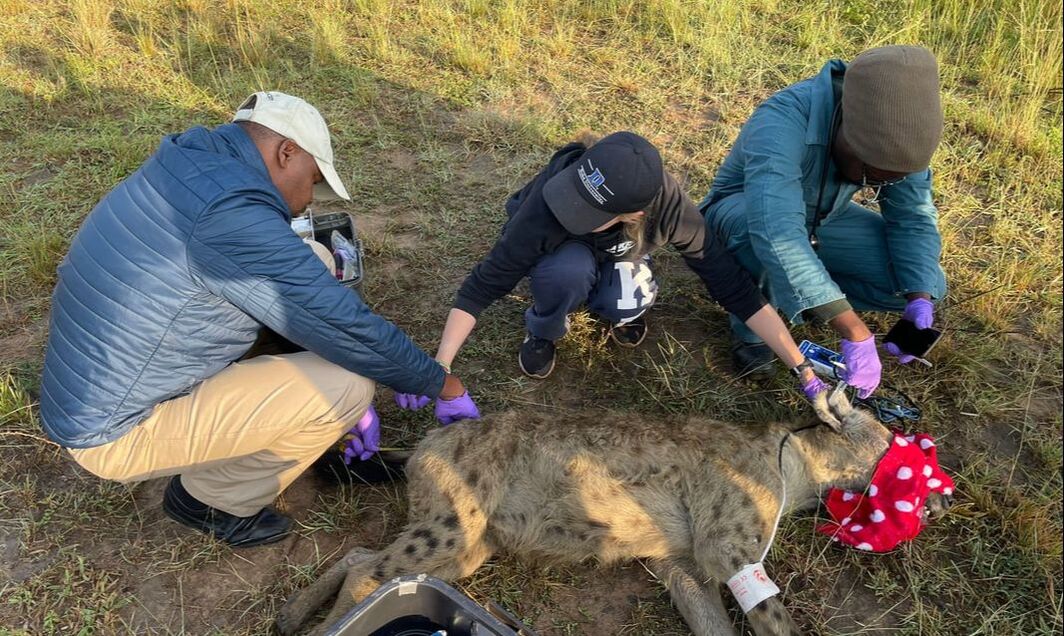
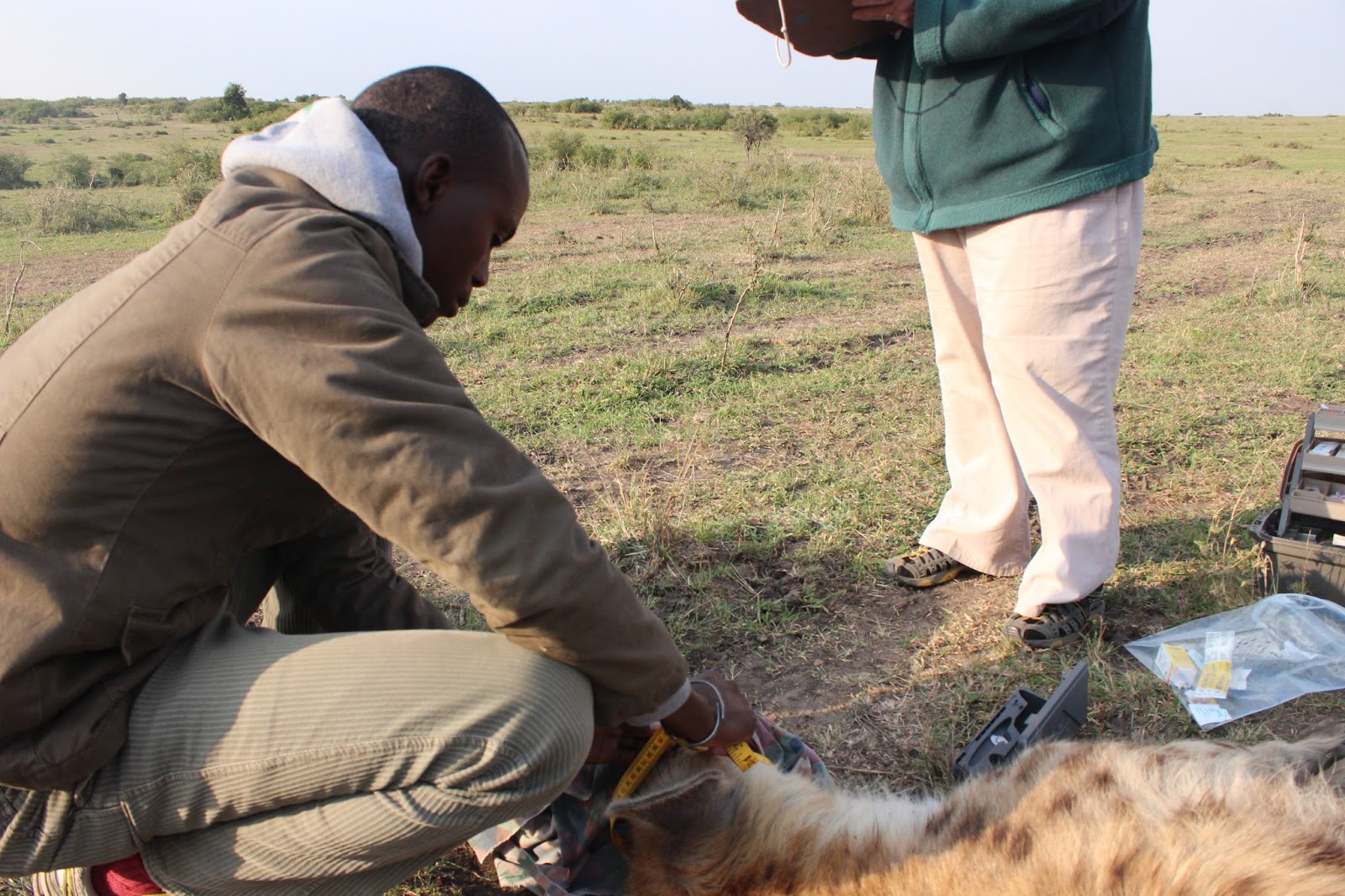
In collaboration with experienced veterinary professionals and Kenya Wildlife Service personnel, the Mara Hyena Project conducts occasional immobilizations of hyenas of interest. Immobilizing an individual lets us safely measure its body condition, take samples, and place data-collection devices like collars for certain research projects. Our researchers assist in the fast-paced immobilization process and collect critical data on the hyena.
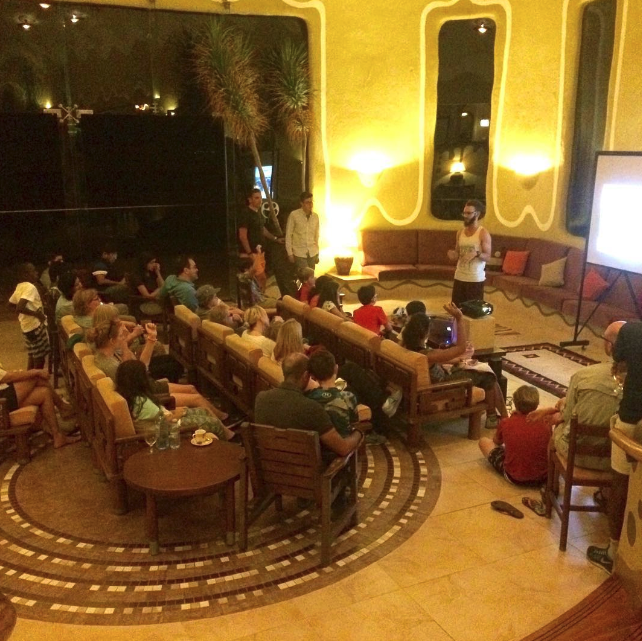
A key part of the Mara Hyena Project’s mission is to spread the message of the importance of conservation. Hyenas are notoriously hated creatures, and part of our work involves sharing why hyenas are no less interesting than other Kenyan megafauna like lions, elephants, and leopards. Changing a mindset of hatred or fear into one of appreciation is one of the first steps toward success in conservation.
Field Positions
Volunteer RAs join one of our two camps (Serena or Talek) in the Maasai Mara for a minimum of 12 months and contribute directly to baseline data collection.
What RAs gain: Immersive field experience with a wild predator population, training in behavioral observation methods, exposure to long-term ecological research, and the extraordinary experience of living and working in the Maasai Mara. Many former RAs have gone on to graduate programs in behavioral ecology and conservation science.
RAs are paid a small stipend, and all project-related costs are covered, including plane tickets, permits, and accommodation at camp.
Positions are recruited annually for January and July start dates, with recruitment typically beginning in August. Keep an eye on our Instagram, Animal Behavior Society news, and this website for updates, or fill out this google form to express interest.
Field Positions
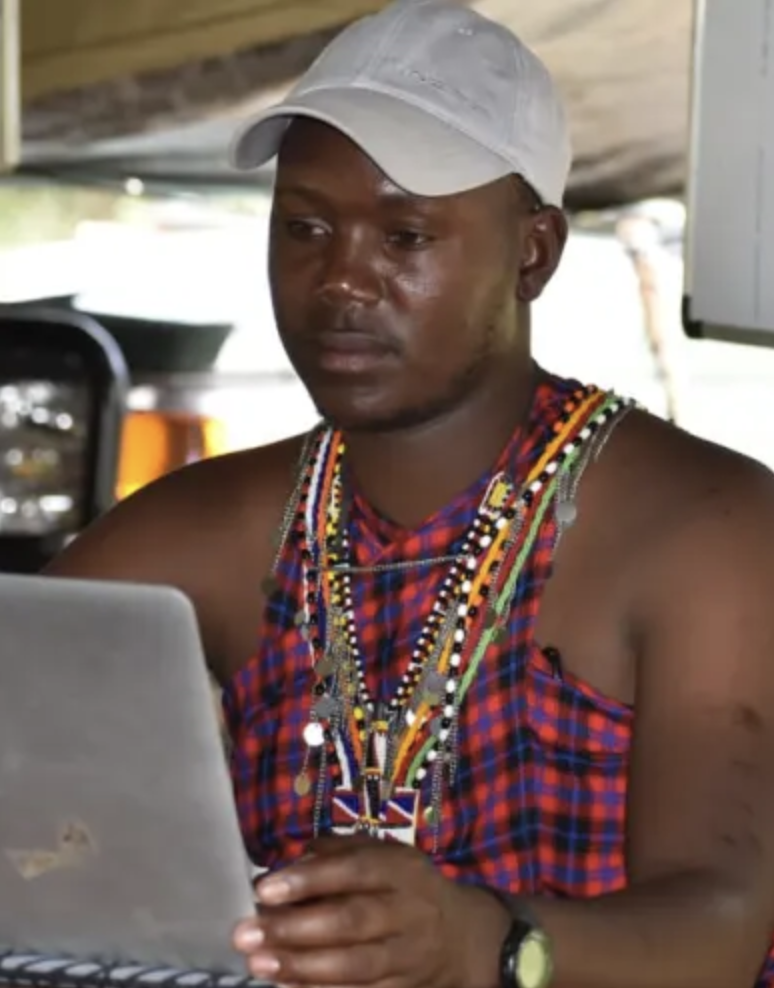
Kenyan Research Assistants are full members of MHP's field team and work alongside our international staff to conduct daily behavioral observations, collect biological samples, manage field equipment, and support visiting researchers. Our long-serving Kenyan RAs play essential roles in maintaining the project's continuous monitoring program, and many have built long careers in wildlife research through their work with MHP.
Kenyan RAs are hired for an initial one-year term with the possibility to renew based on performance and project needs.
We prioritize candidates from communities adjacent to the Maasai Mara and from Kenyan universities with backgrounds in ecology, wildlife management, animal science, or related fields. We also give priority to candidates interested in pursuing further education and graduate research on spotted hyenas.
Open positions are advertised locally and through partner Kenyan institutions when they become available. Qualified Kenyan candidates should fill out this google form to express interest.
Field Positions
Student Attachments are short-term placements at MHP for Kenyan undergraduate and Master's students, typically lasting three to six months as part of an academic attachment or industrial training requirement. Attached students participate in daily research activities at our field camps, gaining hands-on experience in behavioral observation, GPS tracking, sample collection, and basic laboratory methods.
Priority is given to students from Kenyan universities studying ecology, wildlife management, animal science, veterinary science, or related disciplines. We accept attachments on a rolling basis, subject to camp capacity.
Interested students should fill out this fill out this google form.
Graduate Training
MHP Co-Directors are based at several universities and accept graduate students through their respective programs. Graduate students typically conduct dissertation research using MHP data and/or field seasons in Kenya, depending on their project.
How to apply
Familiarize yourself with the MHP’s current projects and publications, and identify which director’s work aligns with your interests.
Email your director of interest with a brief statement of your background and your CV. Explain what research topics you want to study and why the MHP is a good fit for those questions, and describe what you would bring in terms of skills, experiences, and interests. Don’t mass-email all directors at once.
Each director admits students through their home institution. Follow that university’s graduate application process. Deadlines typically fall December–January for the following fall.
Contact
Each Co-Director manages their own recruitment. Contact the director whose research focus most closely matches yours.
Michigan State University
Behavioral ecology, social behavior, mammalian development, evolution of intelligence
Website
University of Colorado Boulder
Early-life effects, epigenetics, stress physiology, molecular ecology
Website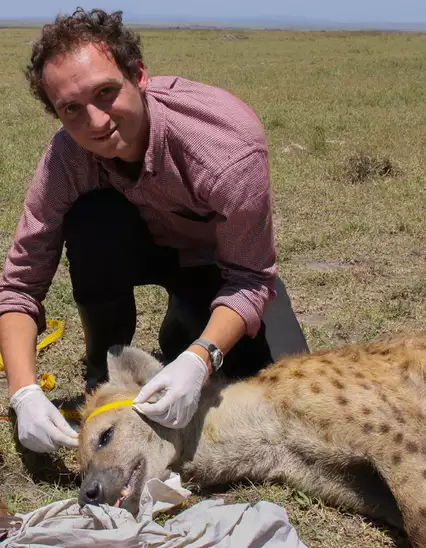
Michigan State University
Social networks, collective behavior, computational methods
Website

Michigan State University
Individual behavioral variation, personality, ecological consequences
Website