BEAM Study Abroad
An intensive three-week field course in Kenya's Maasai Mara
About the Program
BEAM is an intensive three-week field course focused on the behavioral ecology of African mammals in their natural habitat. The course curriculum is designed to exploit the extraordinary richness, diversity, and observability of the mammalian fauna inhabiting Kenya's protected areas. The majority of the course is conducted in the Maasai Mara National Reserve.
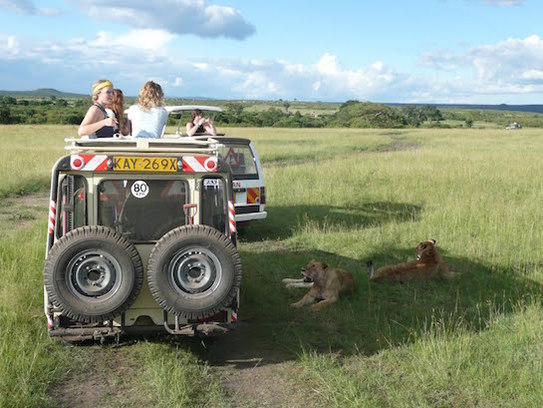
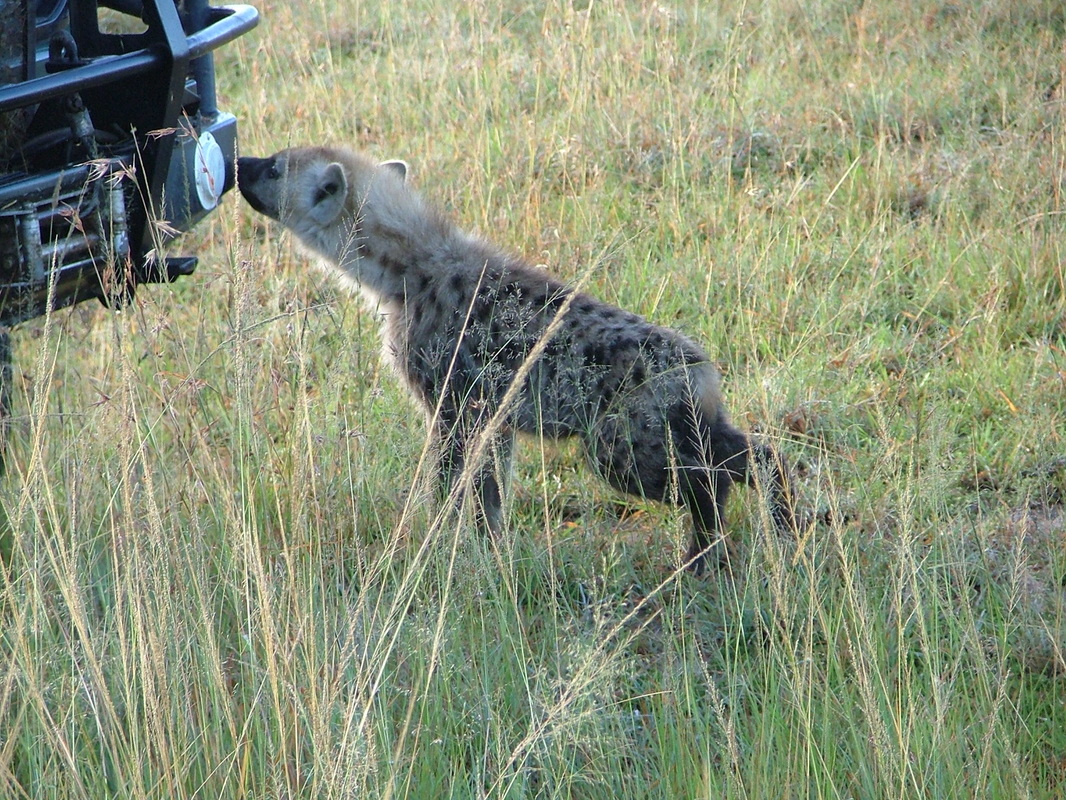
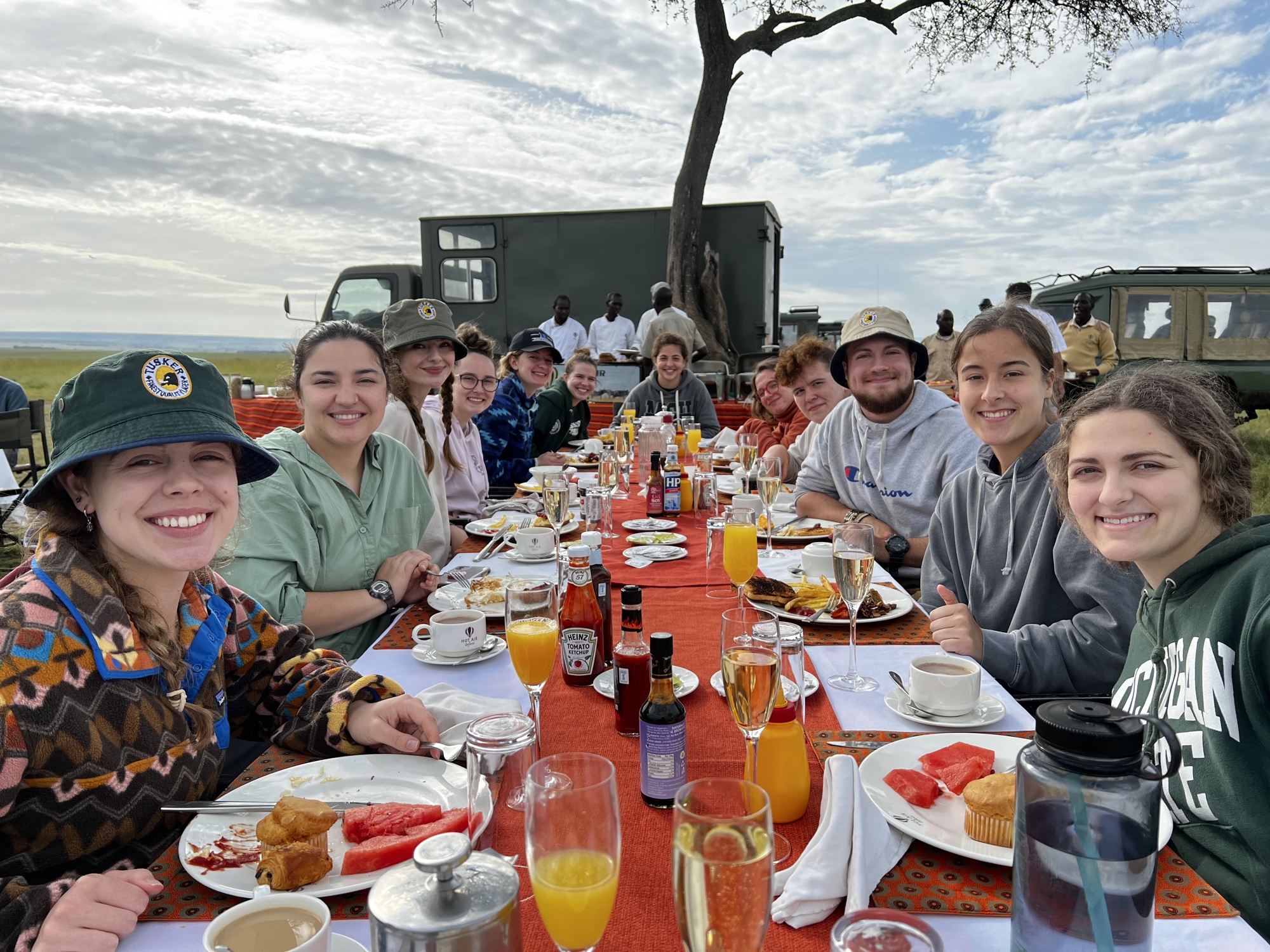
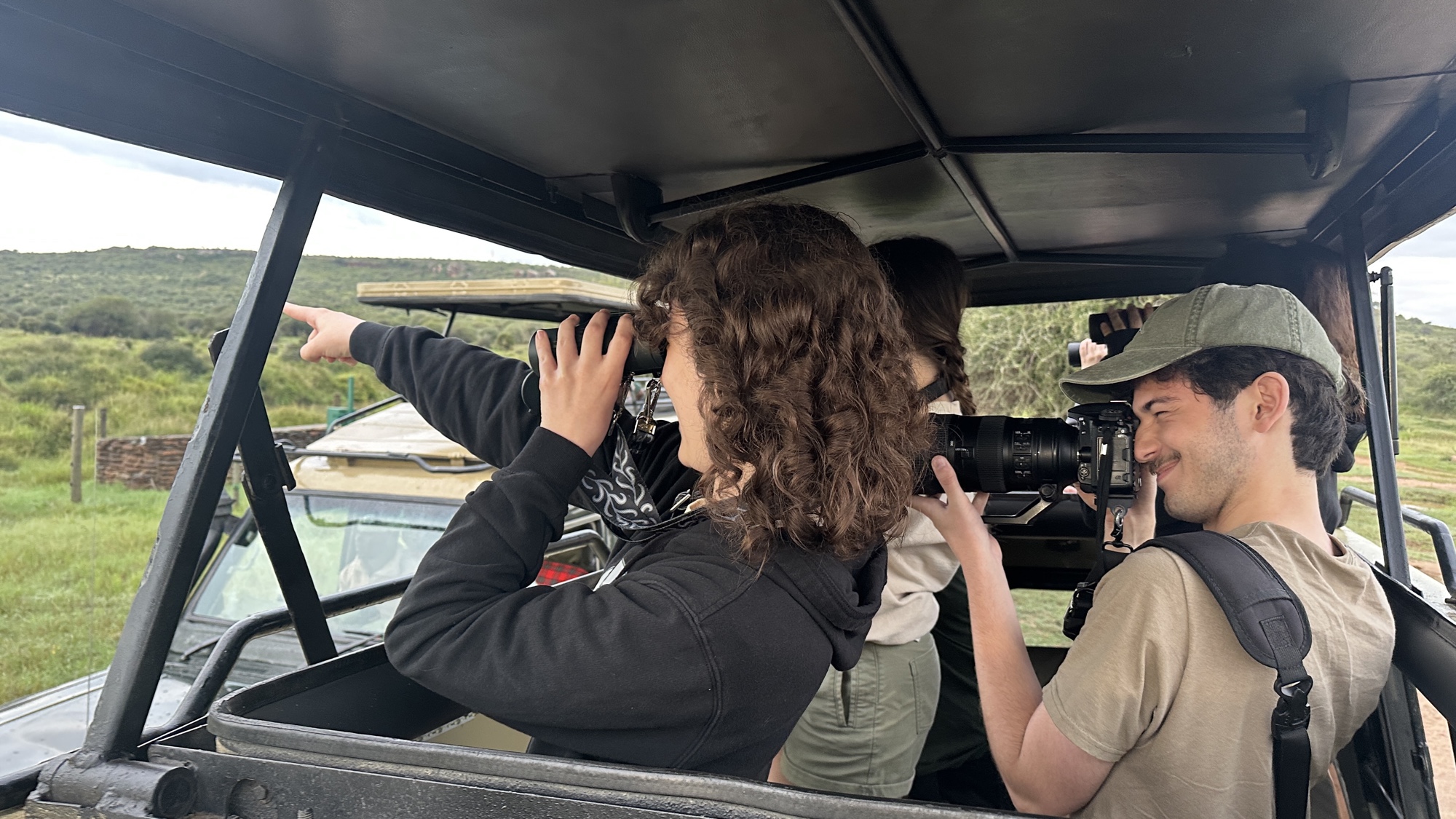
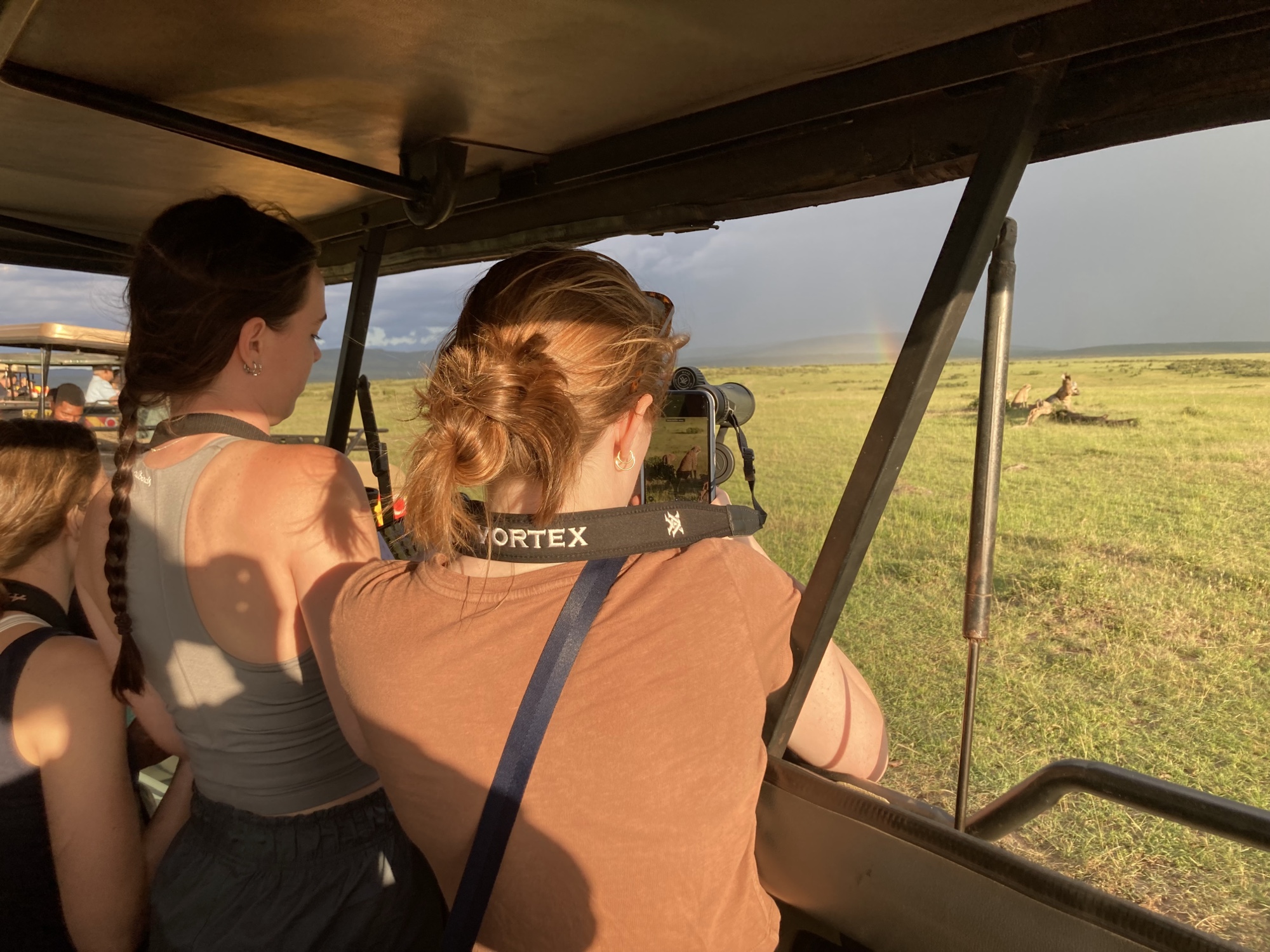
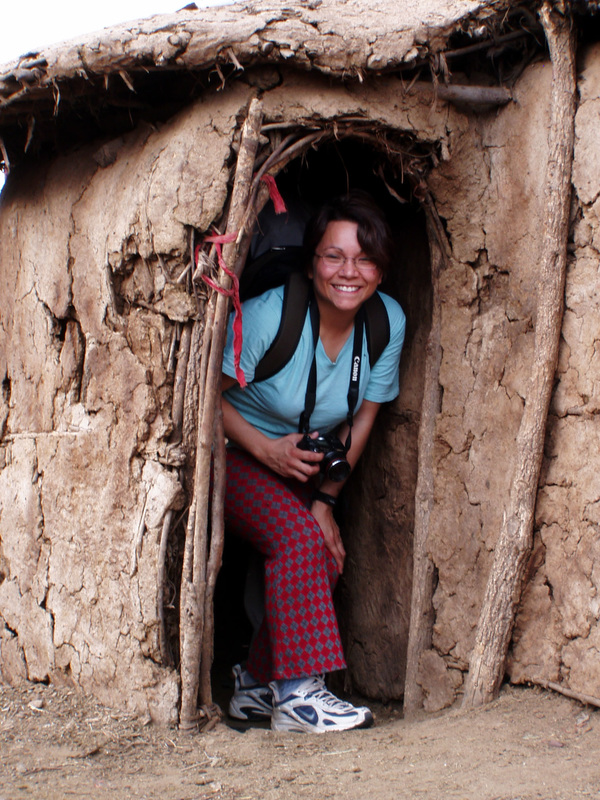
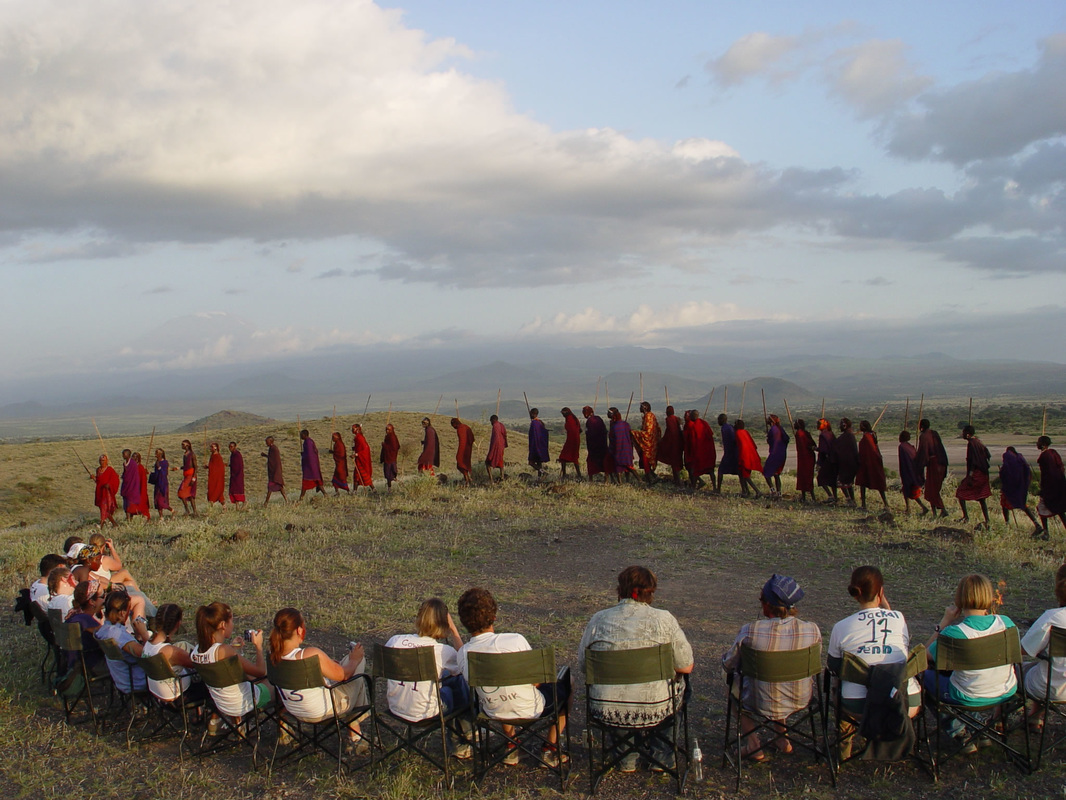
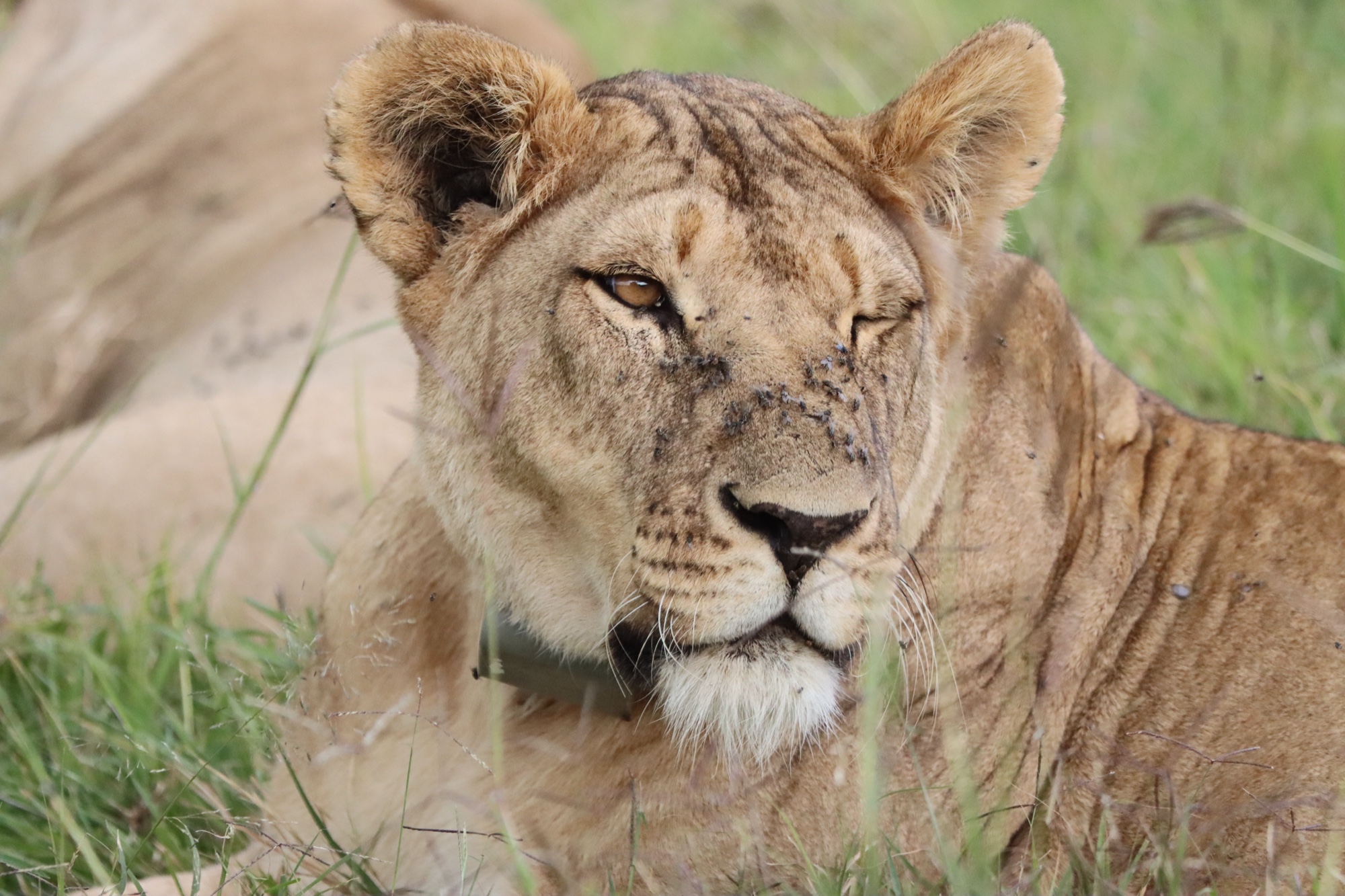
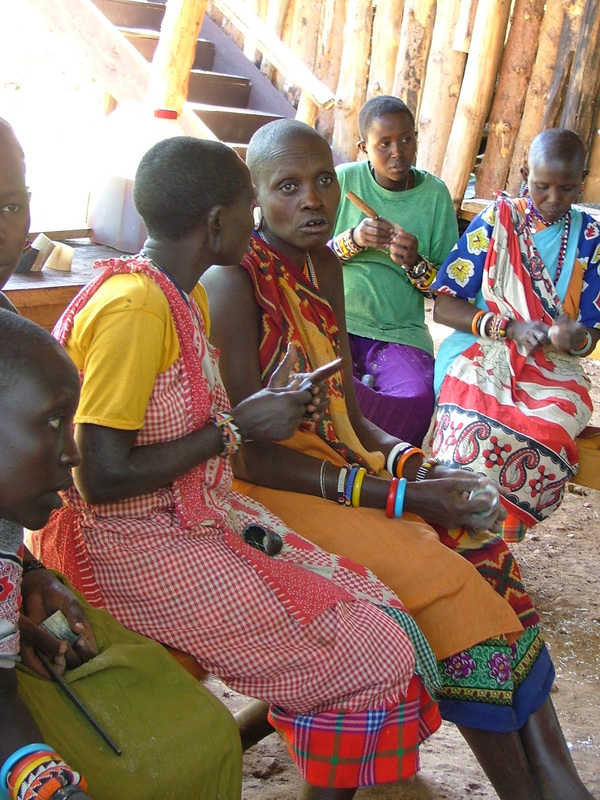
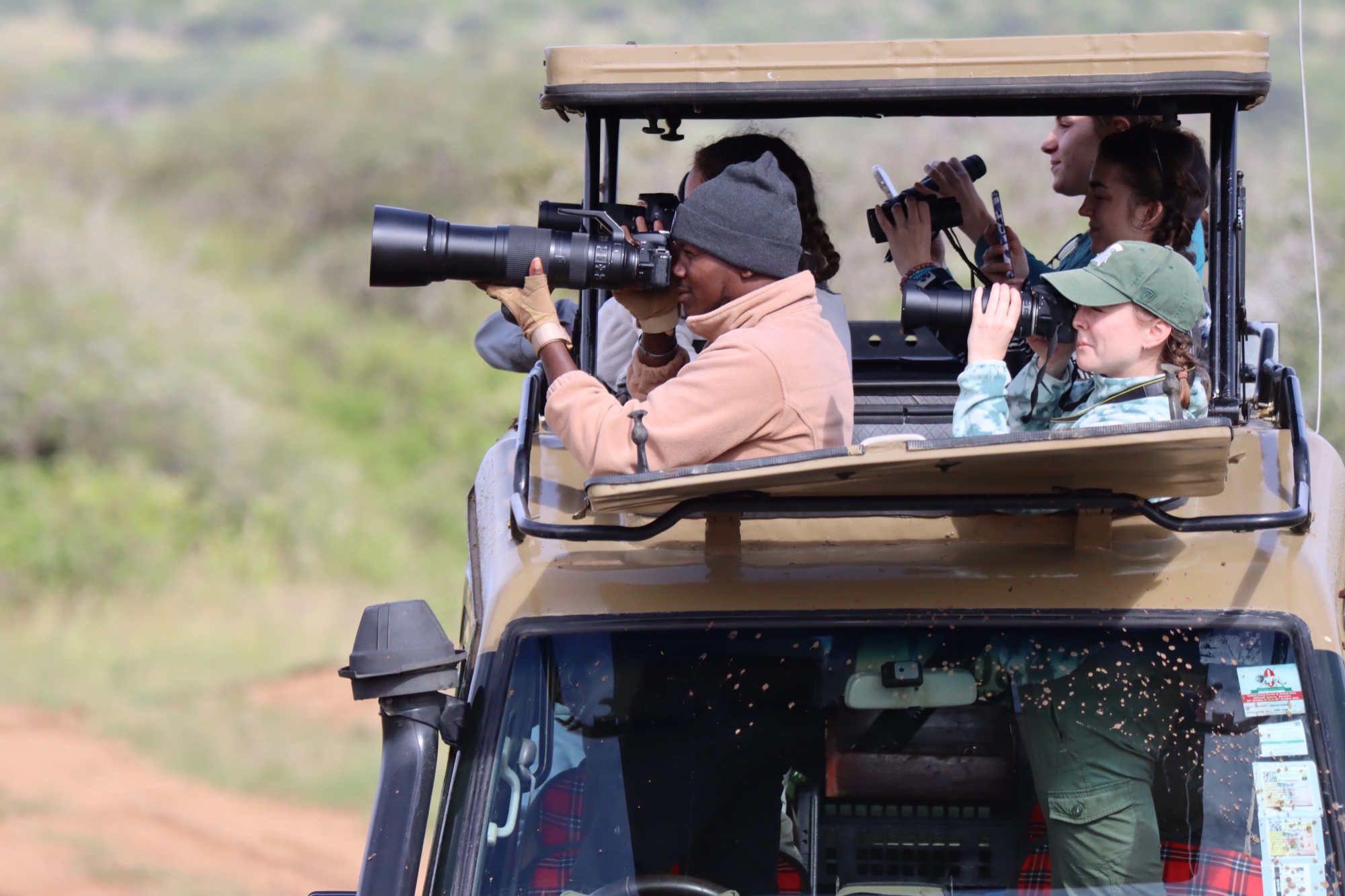
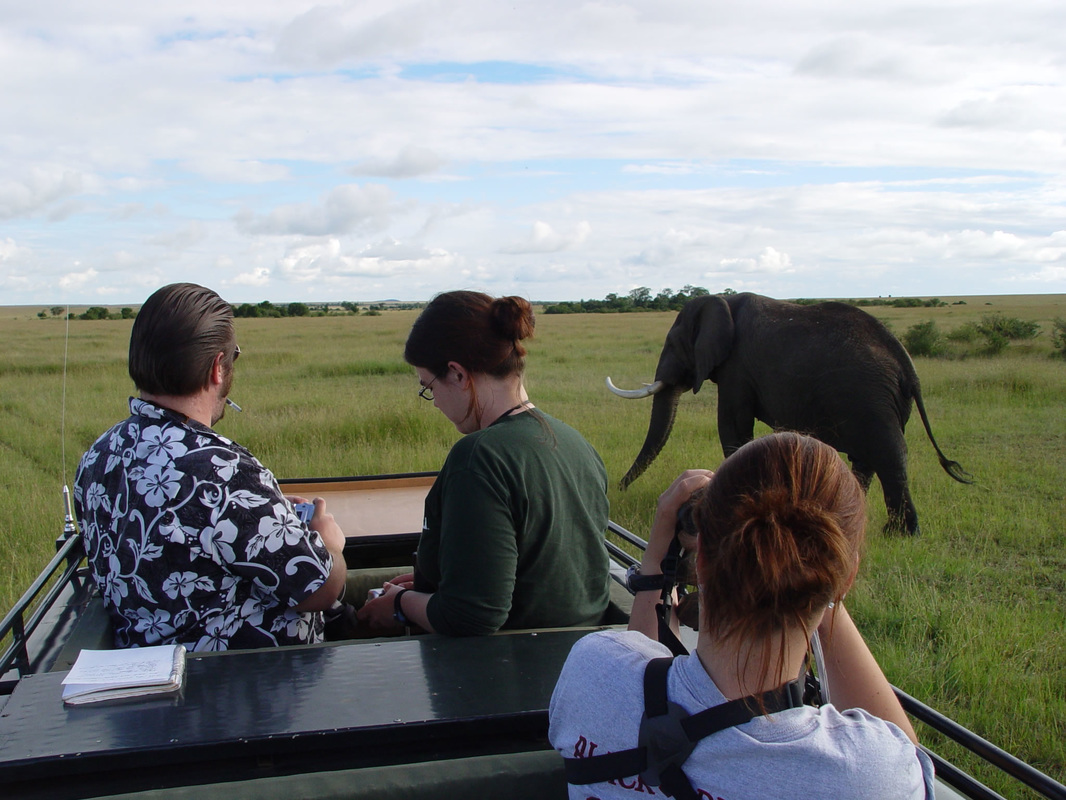
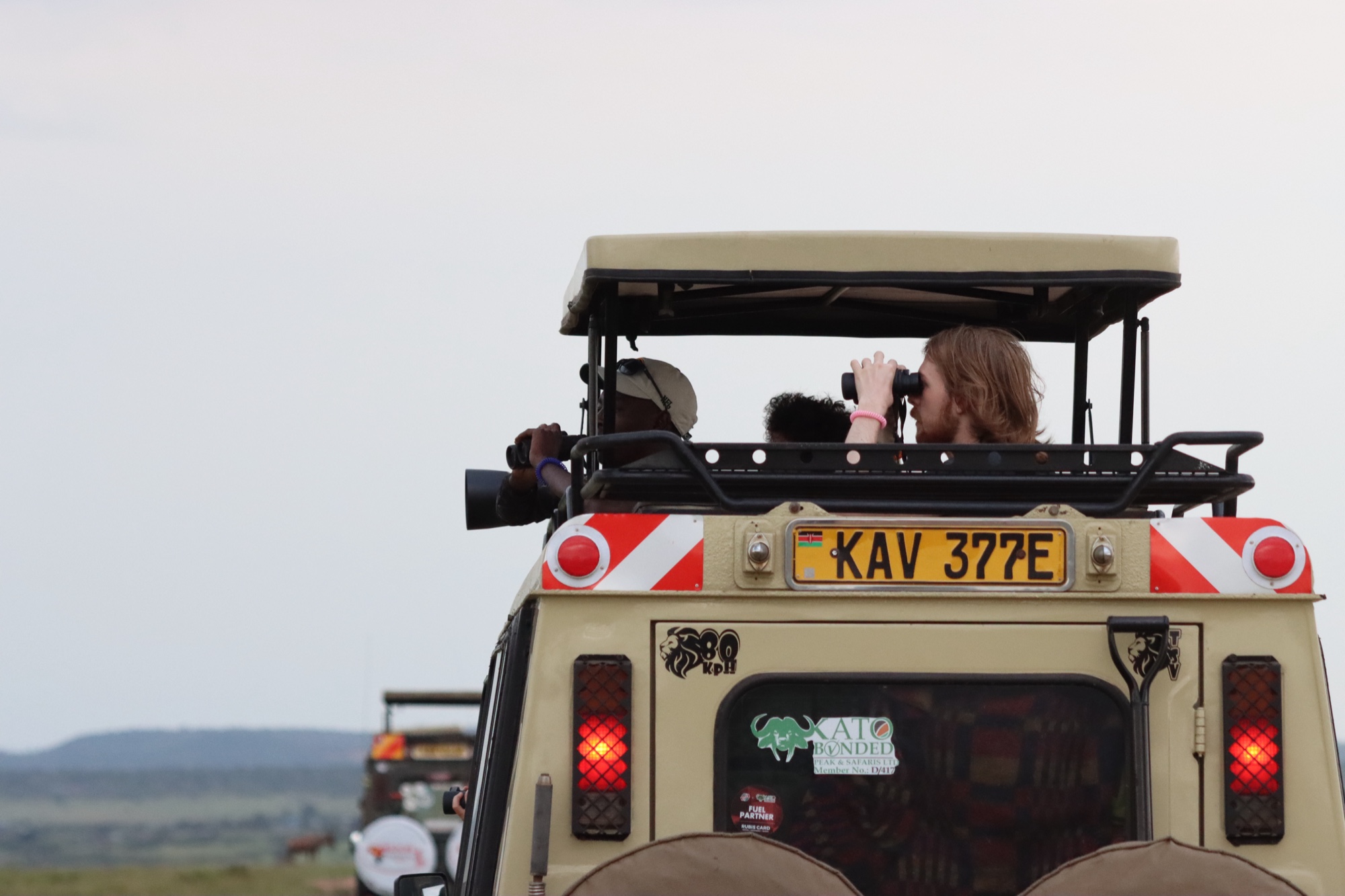
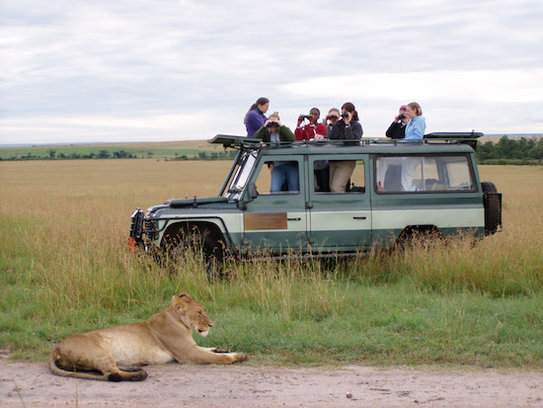
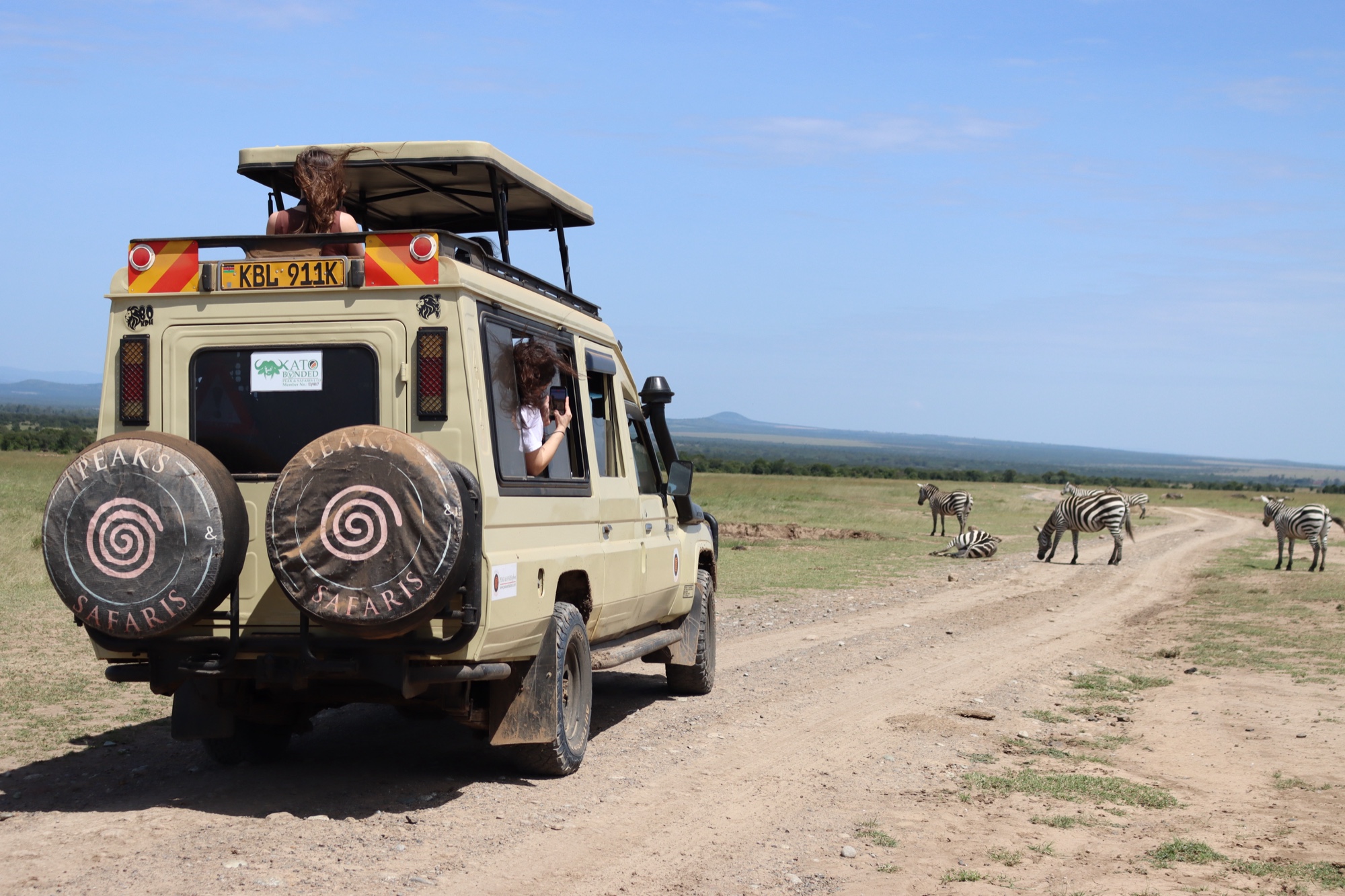
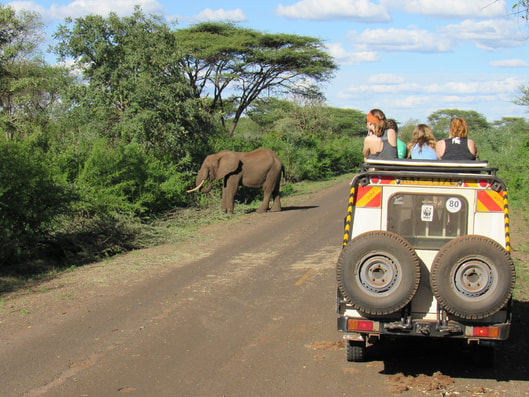
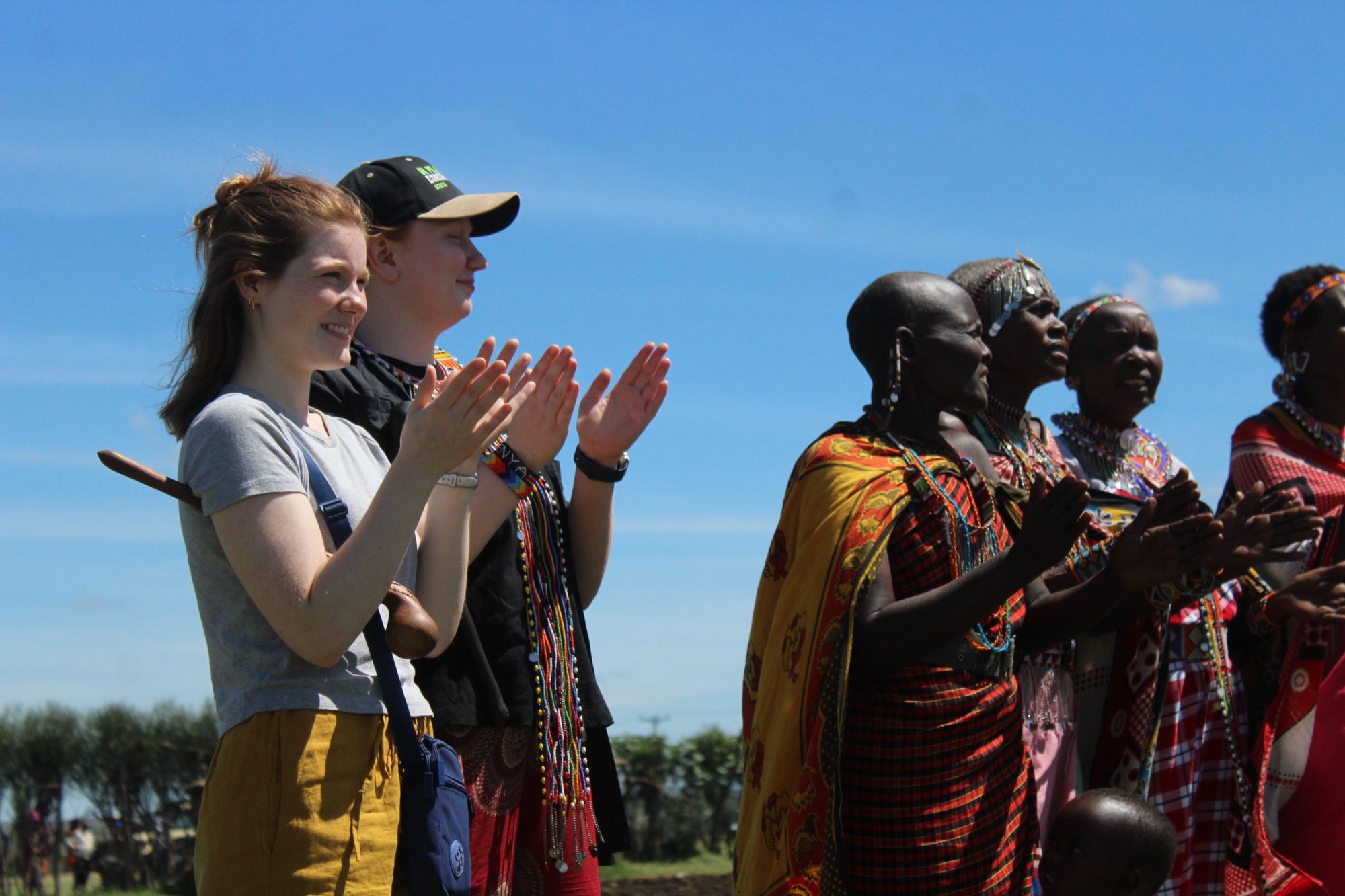
Situated in the northern portion of the Serengeti ecosystem, the Mara contains savannas, acacia woodlands, and riverine forests, and these habitats are occupied by different groups of mammals. Throughout the course we use our bush vehicles as classrooms and mobile "blinds" from which to observe the behavior of resident herbivores and carnivores. The course also offers students a unique opportunity to learn about the cultures of Kenya, particularly the indigenous Maasai who inhabit the areas surrounding the Mara.
BEAM is offered through Michigan State University's College of Natural Science and the Department of Integrative Biology, and is arranged through the Office for Education Abroad. Once accepted, students enroll for six (6) credits in IBIO 490, Overseas Study in Zoology.
Open to non-MSU students. Students from any institution are encouraged to apply. Non-MSU applicants enroll through MSU's Office for Education Abroad and pay the Lifelong Education rate for tuition (regardless of state of residence). See Eligibility and Costs for details.
Follow us on Instagram to learn more about day-to-day life while on BEAM: @beam_studyabroad
If you are interested in BEAM 2027, please email the lead instructor, Jana Woerner.
Curriculum
BEAM focuses on the behavior of African mammals and the ecological variables that shape the behavior exhibited by each resident species. During the program, students begin by identifying and becoming familiar with resident mammals, then move on to making detailed observations of individuals and groups and monitoring their interactions. Students learn how the scientific method is applied to the study of behavioral ecology, and use a variety of techniques for systematic data collection to test hypotheses for why each species engages in particular types of behavior.
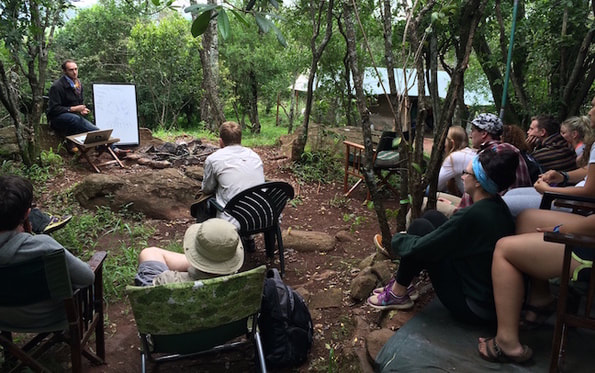
The best times of day for observing the behavior of African mammals are around dawn and dusk. As a result, students spend two or three hours each morning and evening in vehicles, observing and quantifying the behavior of various mammals and testing hypotheses about why these animals behave as they do. During the warmer hours around midday, and again each evening, course instructors lecture on selected topics germane to understanding the Serengeti-Mara ecosystem and the behavior of its animals.
After developing an understanding of the behavioral biology of African mammals and the methods available for its study, students are expected to develop and conduct independent projects answering specific questions about the behavior of one species, comparing the behavior of two different species, or testing an explanatory hypothesis in relation to behavior.
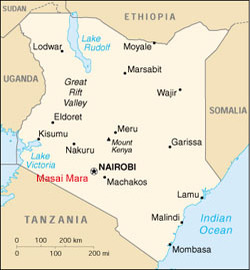
Location
The course takes place primarily in the Maasai Mara National Reserve in southern Kenya. The Mara is situated in the northern portion of the Serengeti ecosystem and offers unparalleled opportunities for observation of African mammals.
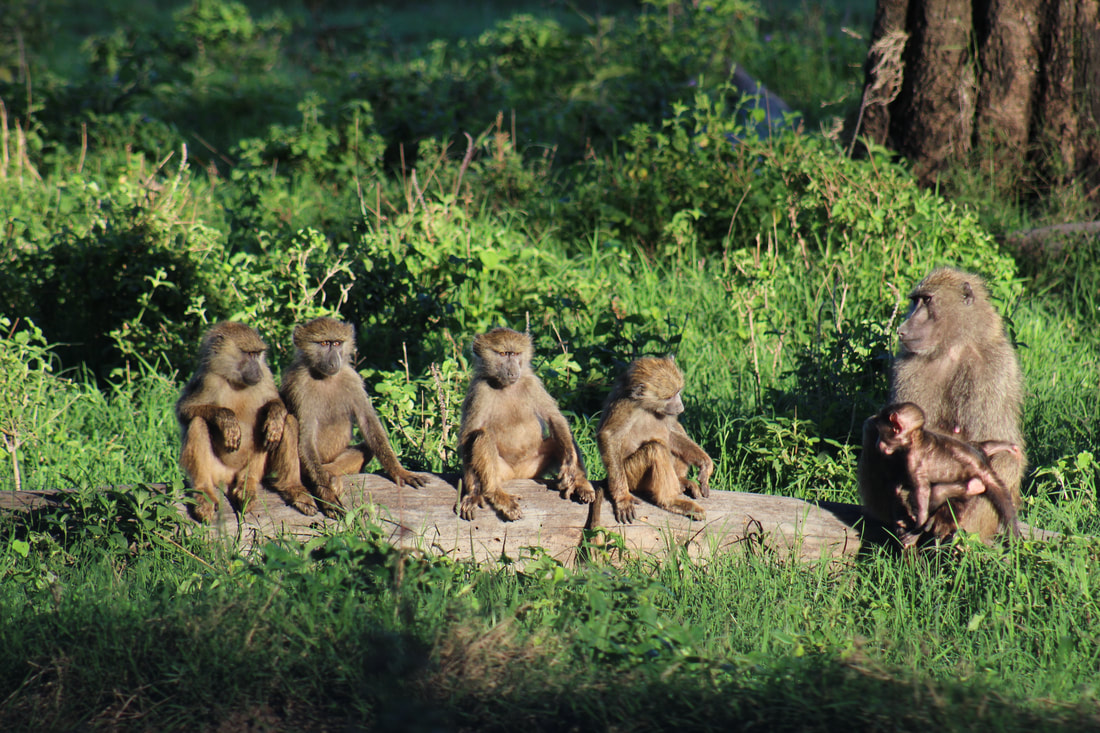
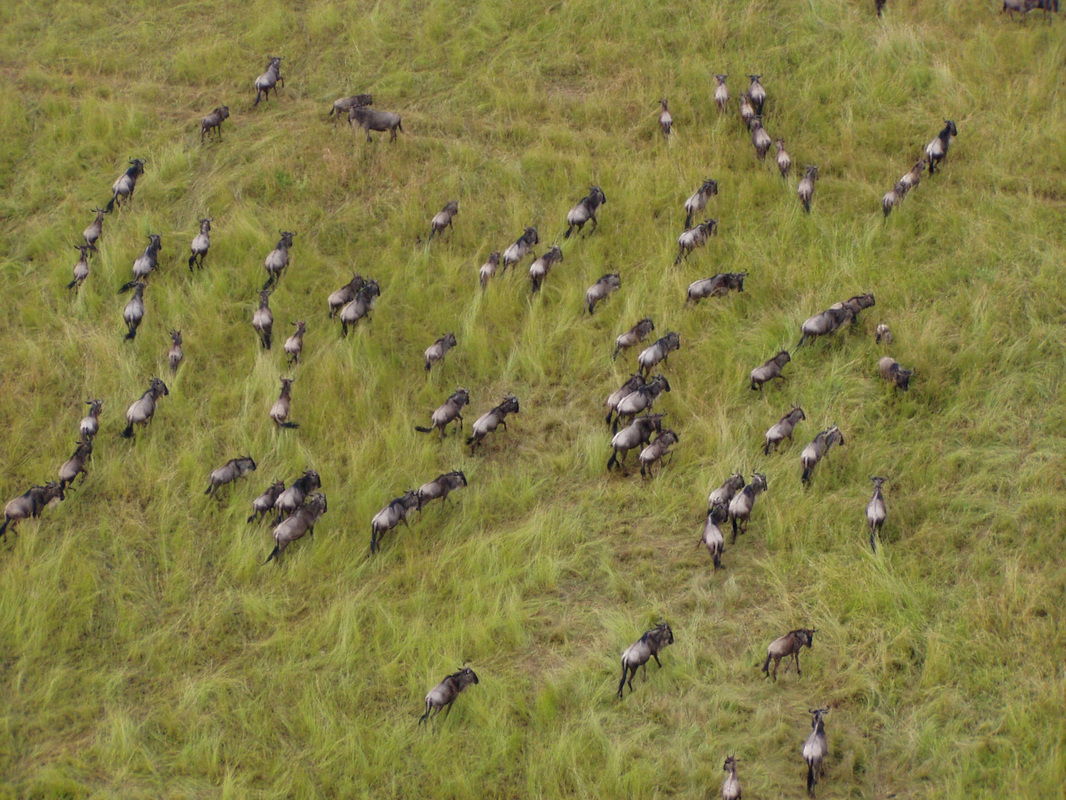
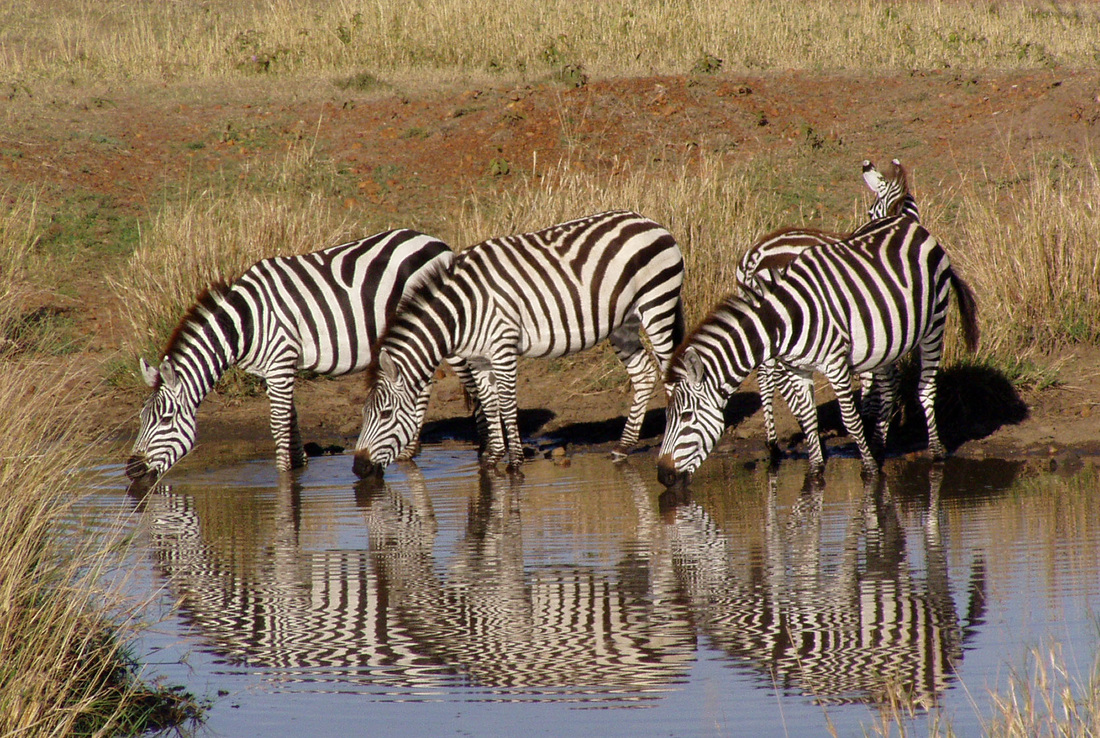
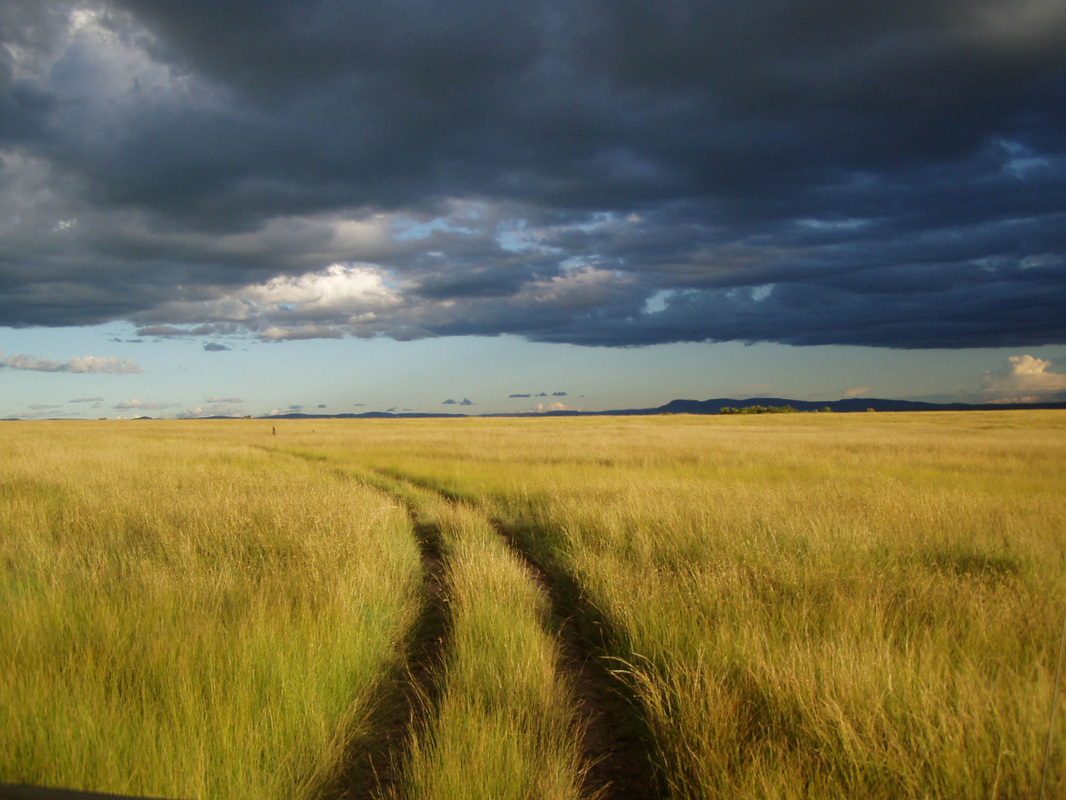
The vast open, rolling grasslands and riverine forests of the Mara are occupied by an extraordinary diversity of mammalian species, and these animals serve as subjects in the studies conducted by students enrolled in this program. The course also visits other areas within the Great Rift Valley, which afford comparative insights into the behavioral ecology of mammals in different habitats and regions.
Teaching Team
Jana Woerner is the lead instructor for BEAM 2027. She is a PhD candidate in the Department of Integrative Biology at Michigan State University, and has taught the course since 2022. She has a wide range of research and field experience, including time spent living in Kenya and studying spotted hyenas in the Maasai Mara National Reserve.
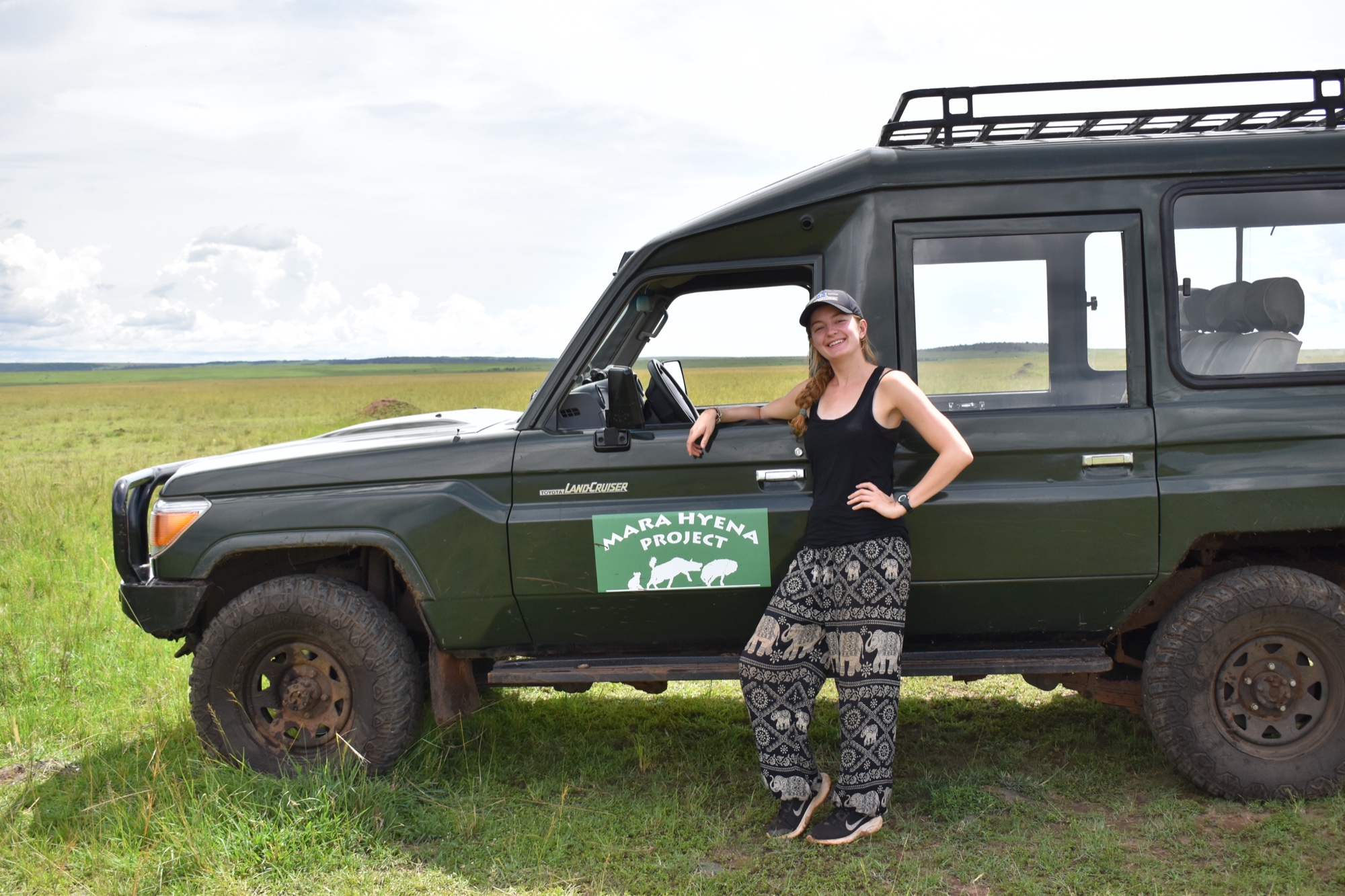
Anne Ju Laberge is a PhD student in the Department of Integrative Biology at Michigan State University. She was a Research Assistant for the Mara Hyena Project in 2025, based at the Serena camp in the Maasai Mara National Reserve. She has an array of field and research experience, from tree swallows to bighorn sheep. She did her MSc thesis on neonatal growth patterns in harbor seals. This is going to be her first year teaching the class.
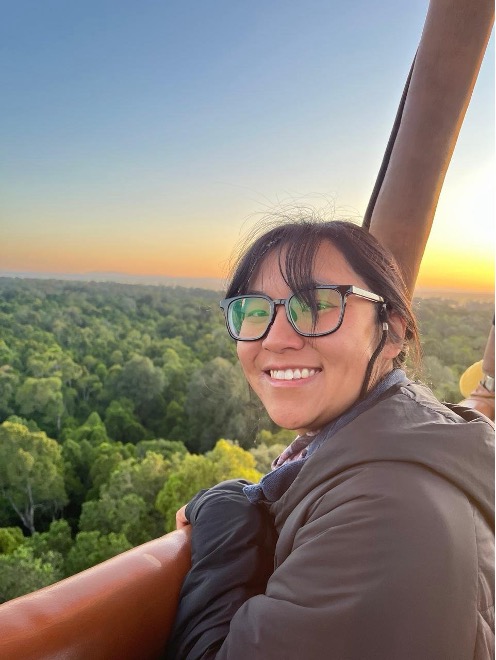
Sarah Groendyk is an Instructor in the Human Biology (HBIO) Program at Michigan State University. She currently teaches the HBIO Capstone writing course, but her background is in zoology and ecology. She completed her master’s degree in Integrative Biology at MSU in 2022 and has extensive field experience working with migratory songbirds. This will be her second time teaching BEAM.
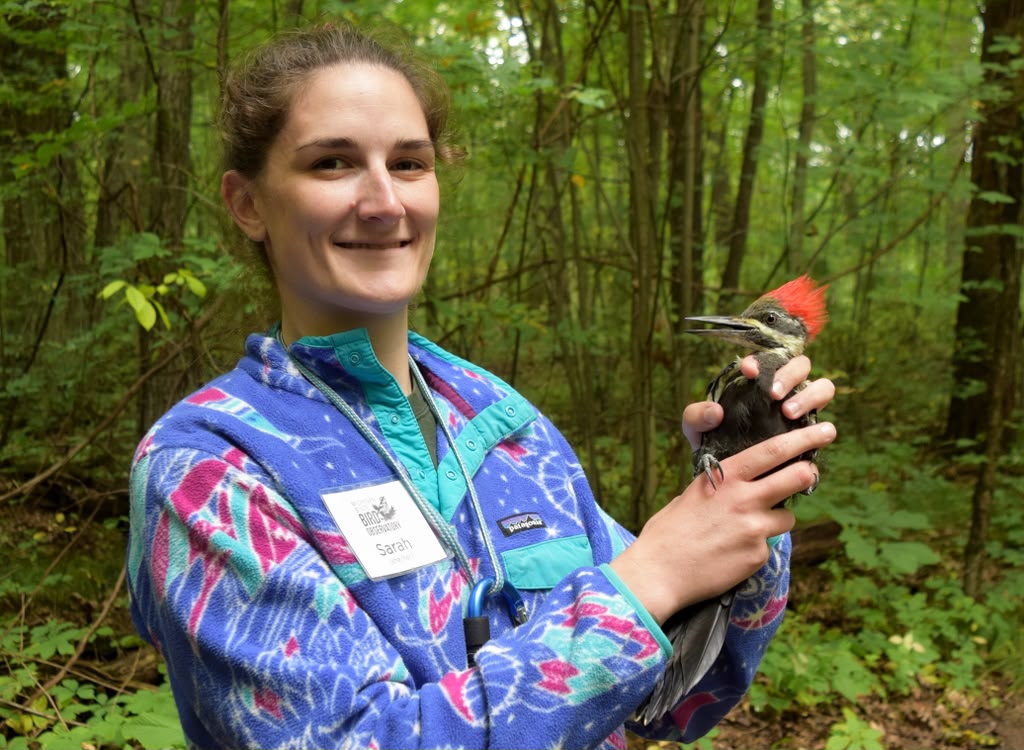
Who Can Apply
This program is designed for undergraduate and graduate students majoring in any biological science, environmental science, wildlife ecology, or related fields. Students from other institutions are encouraged to apply for this unique learning experience.
Students must be in good academic standing and have an overall grade point average of at least 3.0 at the time of application. Students must also have completed at least one year of undergraduate courses and an introductory biology course at the time of departure. Priority will be given to students who have successfully completed IBIO 313 (Animal Behavior), IBIO 365 (The Biology of Mammals), IBIO 355 (Ecology) and/or IBIO 415 (Behavioral Ecology), although these courses are not required. Final acceptance into the program is based on an individual interview with the instructors.
Students potentially interested in taking this course should attend an informational meeting held in the fall or early spring semester. Please email one of the instructors if you are interested; they will have more information about the meeting time and place and will be able to add your email address to the BEAM list.
Students who enroll in this course are required to attend at least four additional preparatory meetings to be held during the spring semester. A valid passport, visa, and record of immunizations are required for travel to Kenya.
Please note that not all sites involved in this program are accessible to individuals with certain disabilities. An applicant's participation may also be denied or their participation approval may be revoked if their conduct before departure raises doubts as to their suitability for program participation.
Program Fees
The program fee for 2026 was $5,050, with estimated additional costs of $2,500, plus MSU tuition costs. We will update fees for 2027 as soon as this information is available.
*Check the MSU Office of the Controller for current tuition rates, fees, and taxes. MSU students pay the same amount they would pay for six credits of study at MSU; non-MSU students pay the Lifelong Education rate, regardless of state of residence.
**Round-trip air travel from Detroit to Nairobi has historically cost less than $1,800. Program fees, dates, and arrangements may be subject to change due to unexpected circumstances.
Financial assistance is available for students, who need to make appropriate arrangements with the Office for Education Abroad and the Office of Financial Aid. All students planning to use financial aid toward a study abroad program must indicate their intentions on the study abroad application. Non-MSU students should check with their home institution's financial aid office.
Resources for study abroad financial aid and scholarships:
How to Apply
To apply for BEAM, you must complete two separate applications:
Submit through the OEA website. A $100 non-refundable application fee is required (later applied to the program fee).
Download the BEAM Supplemental Application and email your completed form to Jana Woerner.
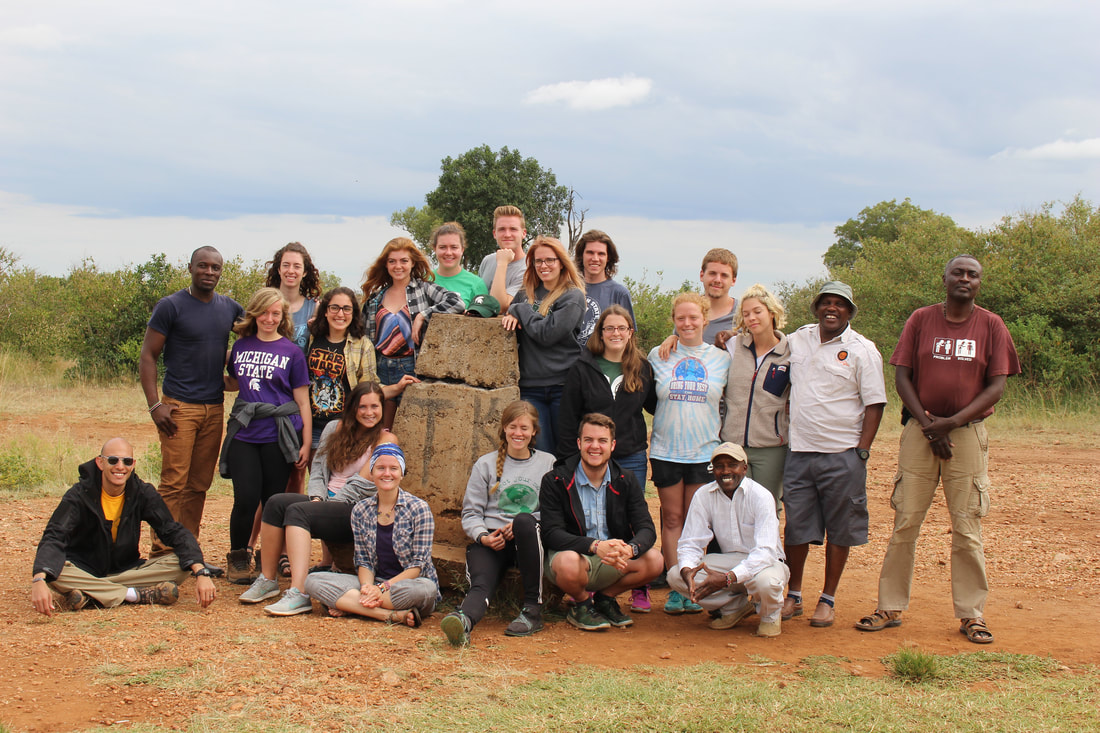
Deadline: February 1 (per OEA) for both the general and supplemental applications. Applications are reviewed on a rolling basis starting October 15th, and BEAM often fills up long before the OEA deadline due to its small class size (limited to 17 students).
After applications are reviewed, applicants are interviewed by the course instructors and final decisions are made as soon as possible. Applicants are evaluated based on this program's eligibility criteria, overall GPA, GPA in related courses, supplemental application, writing ability, and personal interview.
Detailed information about application procedures, the acceptance process, pre-departure orientation, on-site logistics, and returning home is provided in the Student Handbook (given to students upon submission of their application).
After students accept admission into the program, they will be billed for an additional non-refundable $750 deposit, which is also applied to the program fee. Students who wish to withdraw their application are required to notify the Office for Education Abroad in writing.
Staying Safe Abroad
The program fee includes mandatory international health insurance administered through International SOS. This policy provides supplemental health insurance, medical evacuation, and medically required repatriation. For further information, please visit the MSU Office for Global Health, Safety and Security.
Recommendations about preventive medications and vaccinations for international travelers are continually reviewed by several public health and international travel organizations. We advise you to consult the CDC's recommendations for traveling to Kenya, and to discuss travel medicine with the Travel Clinic at MSU's Olin Health Center or with any other physician experienced in travel medicine. Plan ahead.
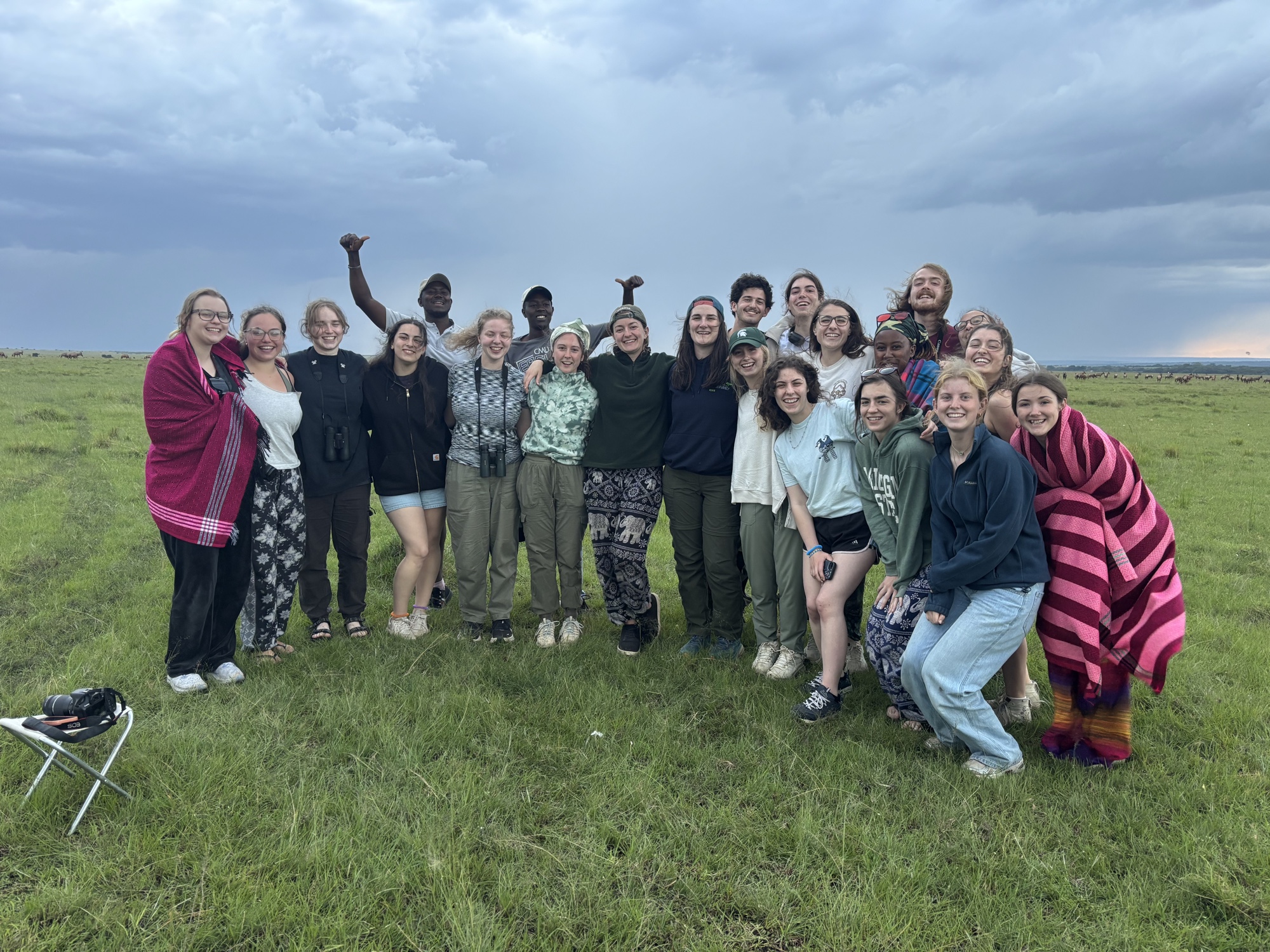
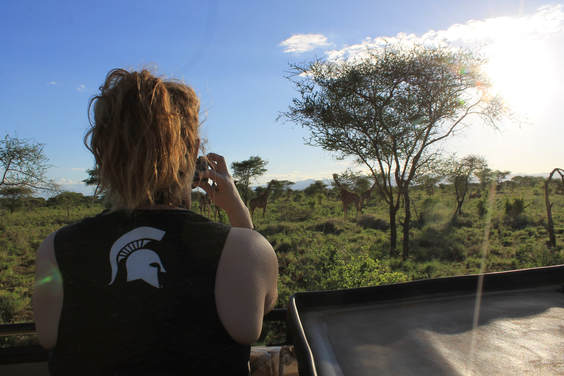
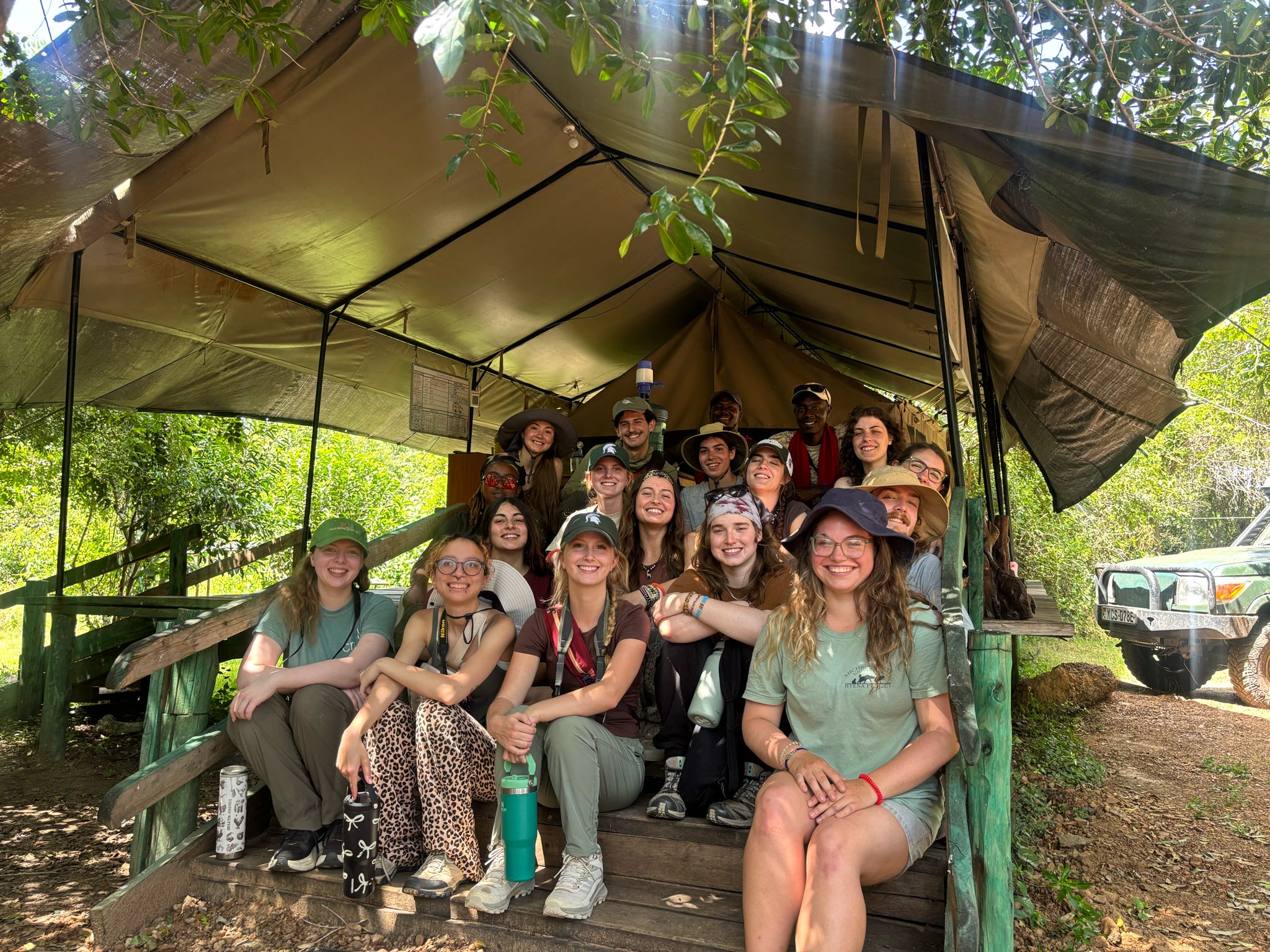
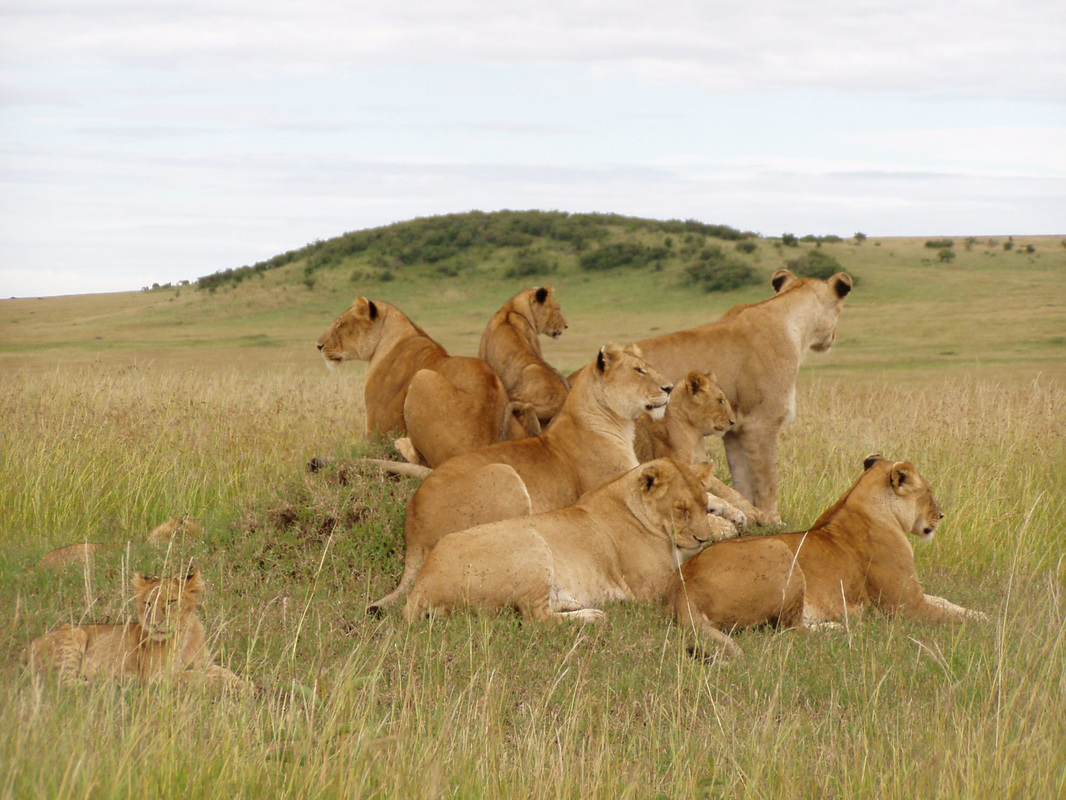
From the Field
Use the arrows to browse, or click the large photo to view it full-size.